Savannahhh!

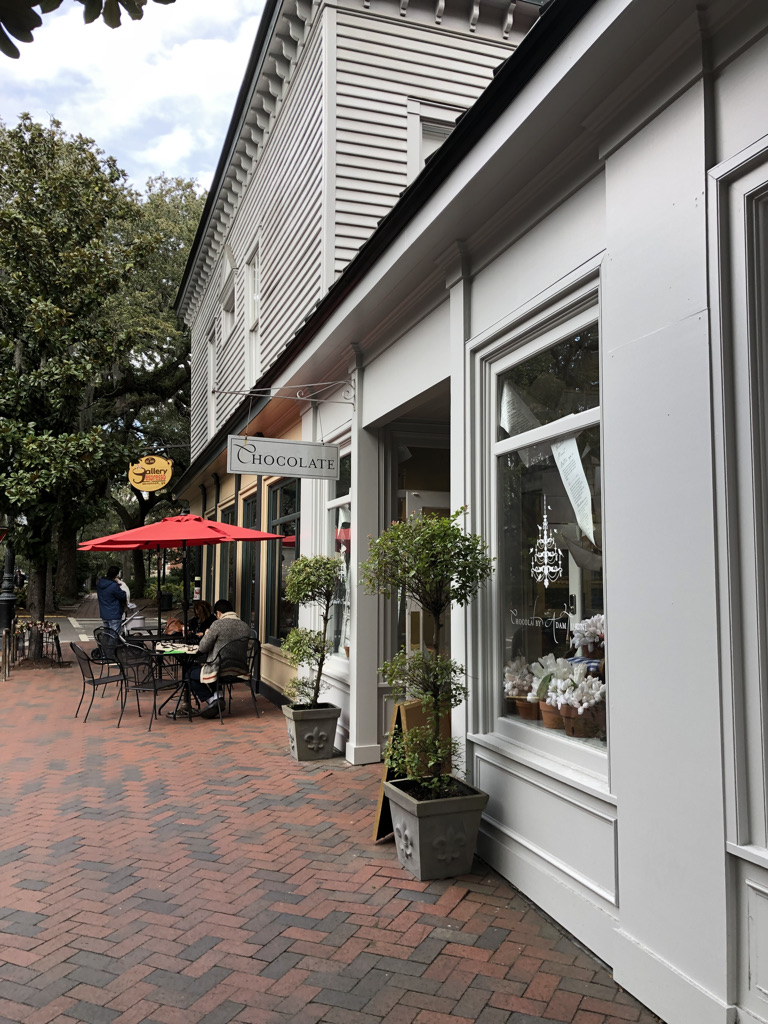
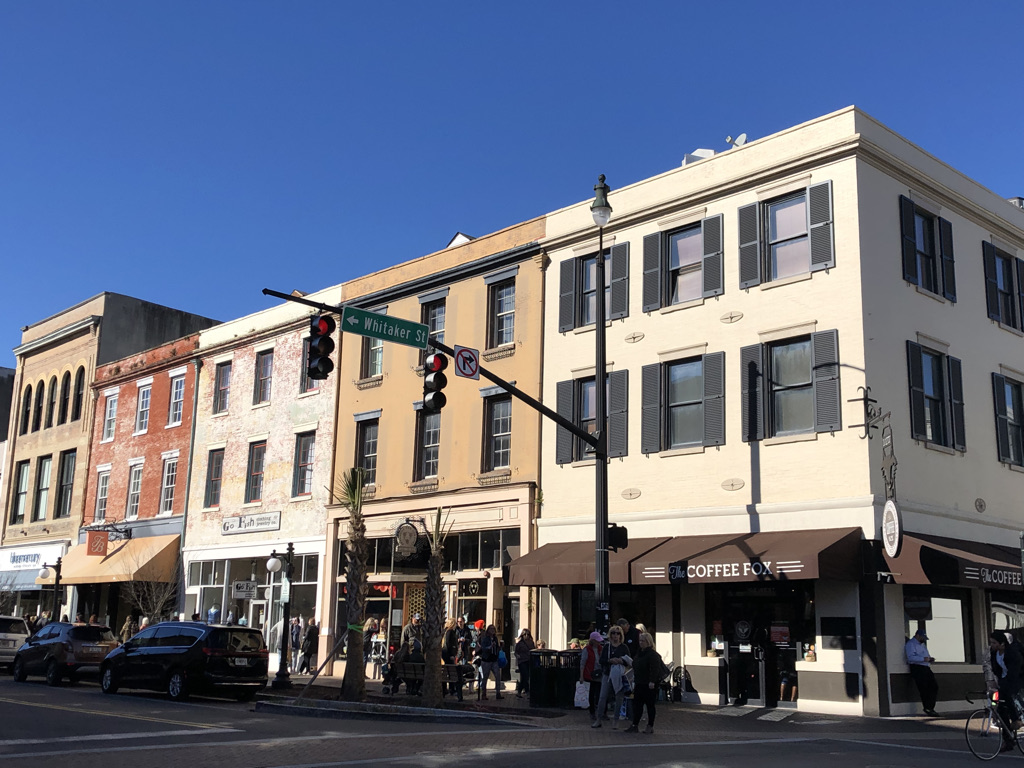
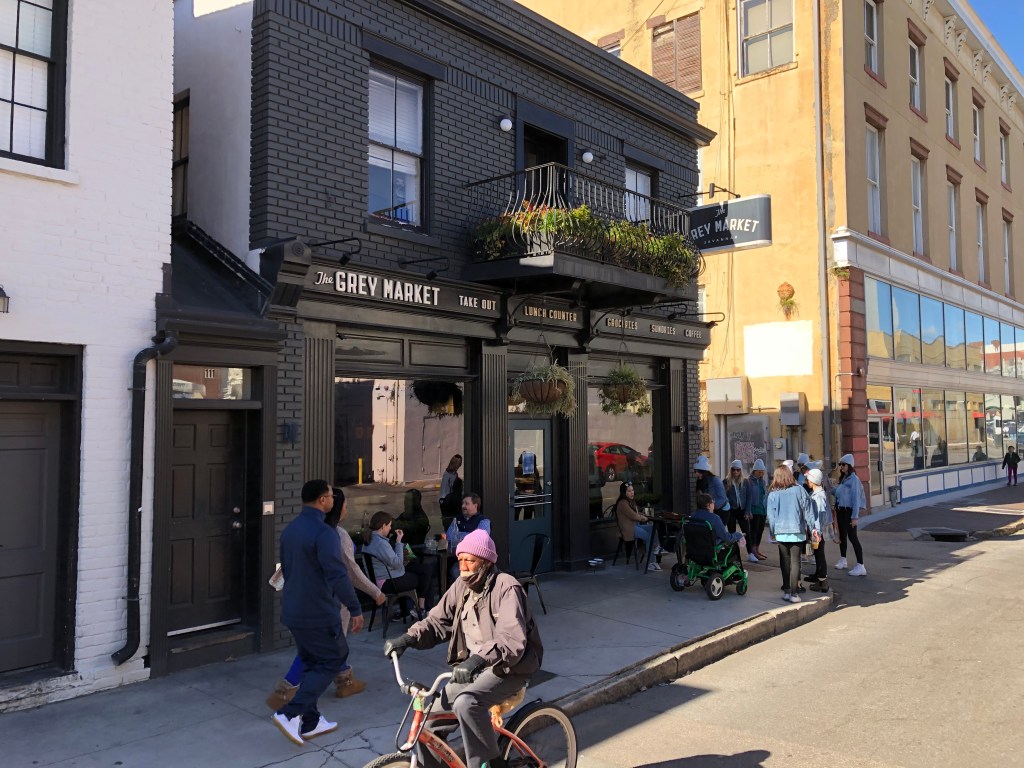
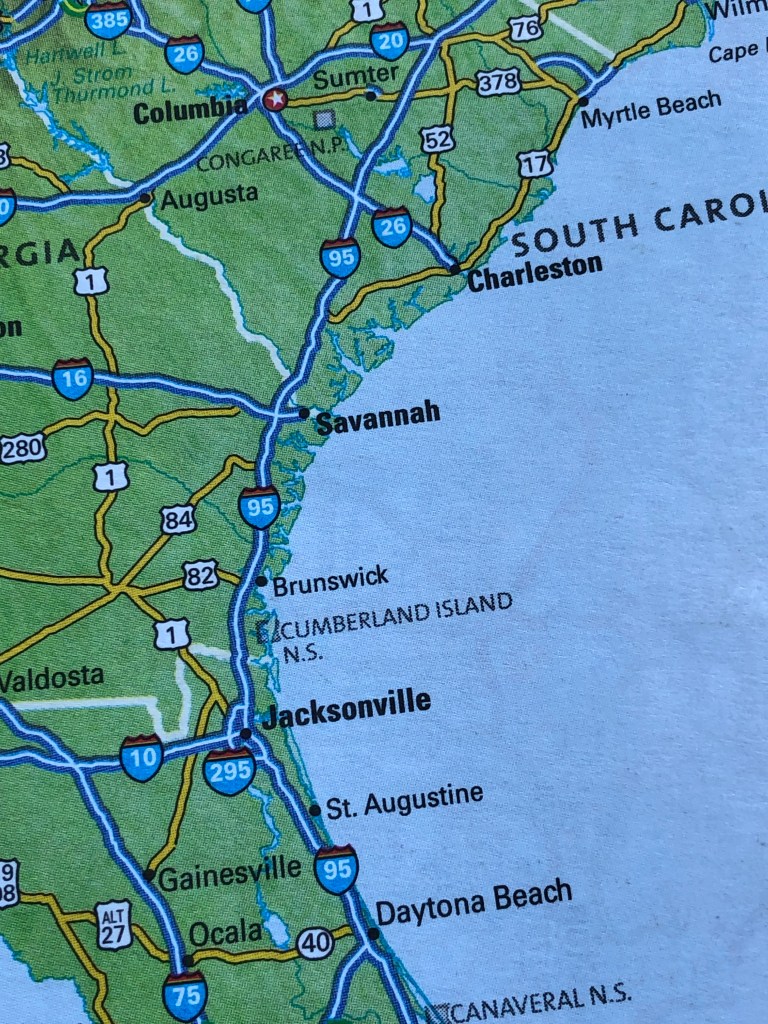
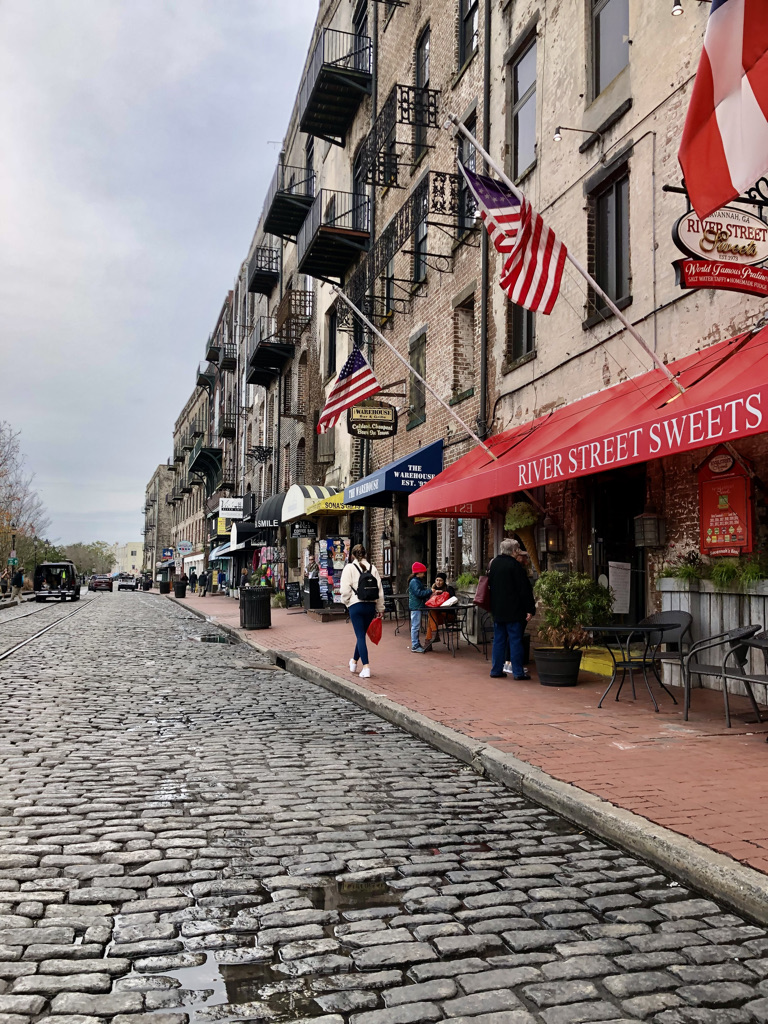
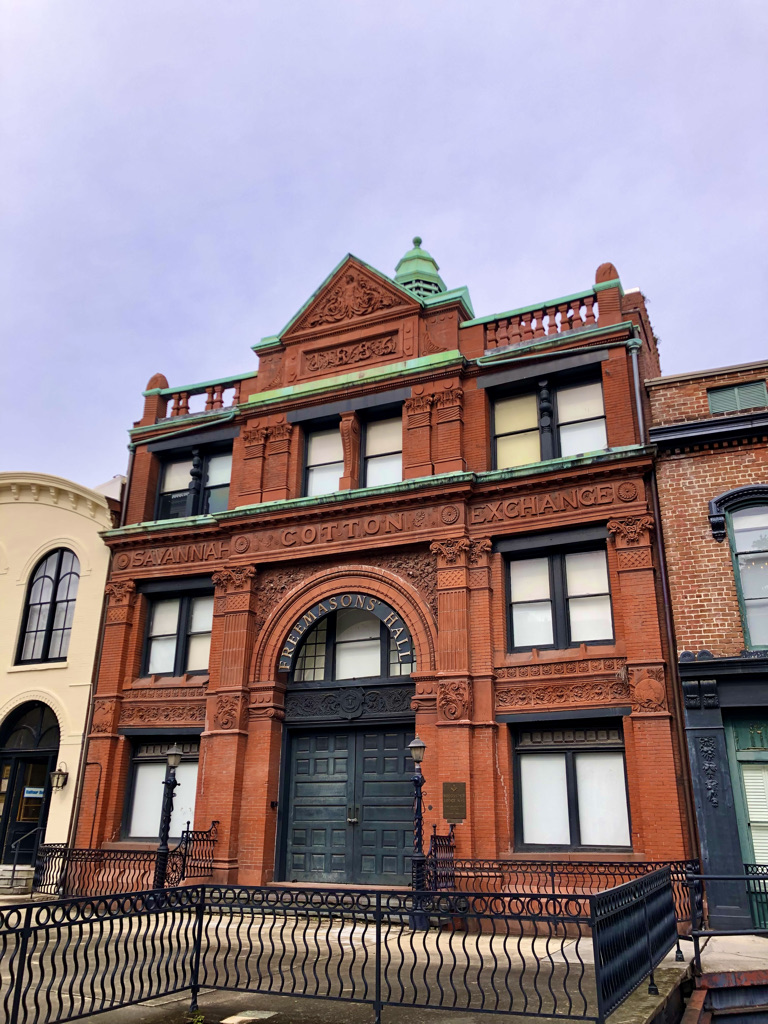
OH, SAVANNAH! It took but a day to fall in love with you as you simply exude charm with every historic home, centuries-old stone roads and inviting neighborhood squares. While it is nearly impossible to take in all this city offers in the ten days I had, I tried, in spite of losing several days to rain.

Savannah (on the coast of Georgia, the last of the 13 colonies) claims James Edward Oglethorpe as the city’s designer. Laid out in a grid fashion with 22 squares throughout the town dedicated to public use (in green, on map below). Savannah is considered the first planned city in the United States and I found it a very walkable town with the historic portion about one mile long by one mile wide. After taking my self-imposed prerequisite, 1-1/2 hour Old Town Trolley, I determined my route of discovery. Trusty tourist map with homes and squares checked that I wanted to explore in hand and off I went to discover Savannah.

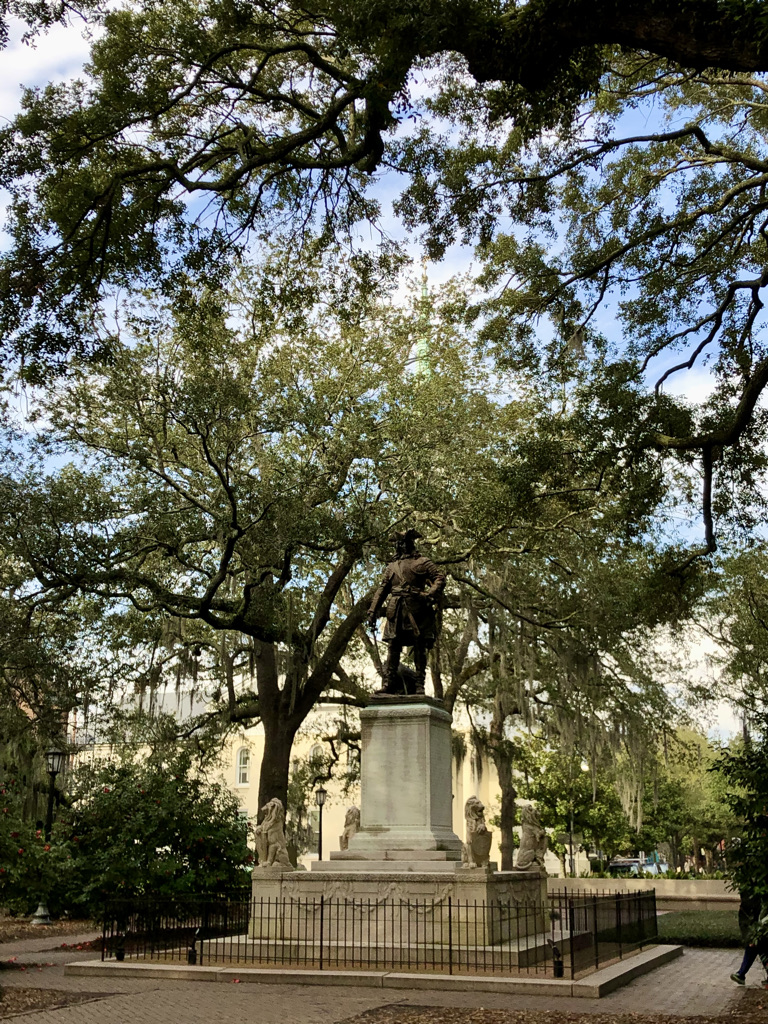
Chippewa Square is a great example of one of Savannah’s inviting public squares and is home to the Oglethorpe statue. When founded in 1733, the city had four prohibitions: No alcohol, No lawyers, No Catholics (it was felt they would favor the Spaniards who were always floating nearby) and No slaves. Unfortunately, the fourth prohibition lasted but a short time. By 1743, early settlers in Savannah grew tired of Oglethorpe and sent him packing back to England. This same year his ban on slavery was rescinded and it wasn’t until 1798 when Georgia outlawed the importation of enslaved people. I’m not clear on the other three prohibitions but overtime, they all left town. Interesting to note, Oglethorpe never returned to Savannah, the city he so beautifully created.
Interesting people have called Savannah home over time including Juliette Gordon Low, born in 1860 in a home on Lafayette Square. In 1912, Low founded the Girl Scouts in Savannah. Our comic trolley driver played the Girl Scout Oath which brought a smile to several faces.

Antique dealer, Jim Williams, resided in the Mercer House when murder was committed. This event played out in the 1997 film, In the Garden of Good and Evil. Today, the Mercer House is one of several beautiful abodes available for tour. And of course, Life IS like a box of chocolates, right! Much of the film, Forest Gump, was filmed in Savannah and today Gump’s bus stop bench resides in the Savannah History Museum.

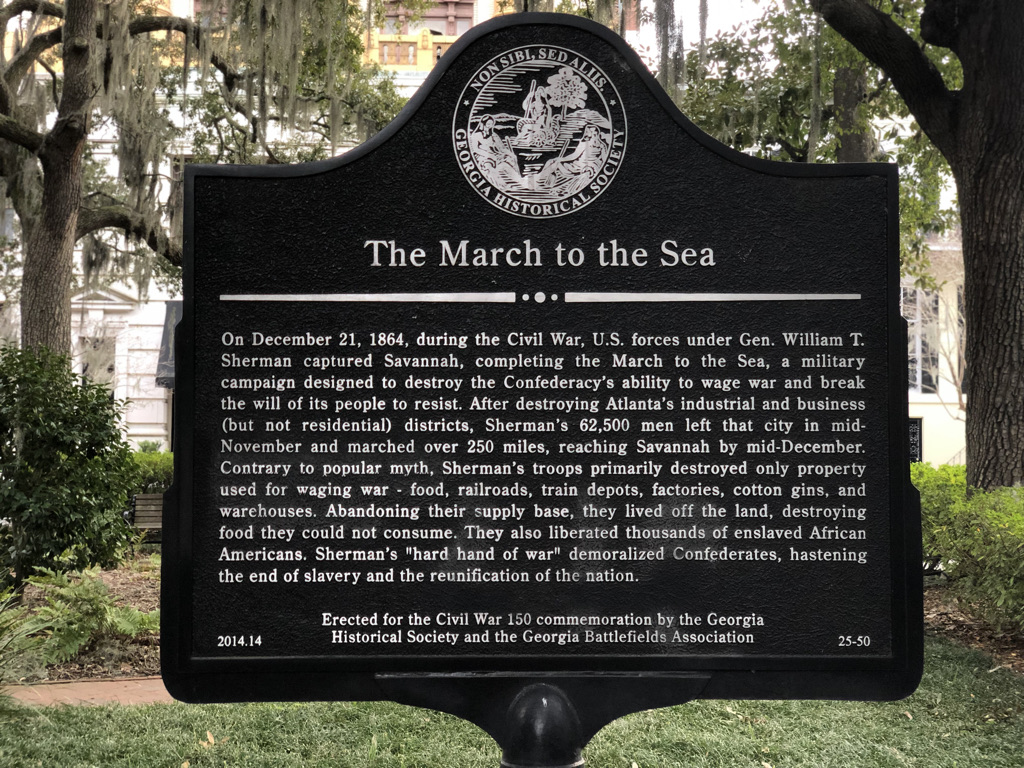
While he wasn’t a welcomed guest nor long-time resident, Union General William T. Sherman’s March to the Sea ended with Sherman gifting President Lincoln the city of Savannah for Christmas in 1864. Less than four months later, the Civil War would come to an end.
Heading to Savannah? Put on your walking shoes and get ready for some history and southern hospitality. I found this town to be very warm, welcoming and worthy of leaving a bit of your heart behind.

Farewell, St. Augustine

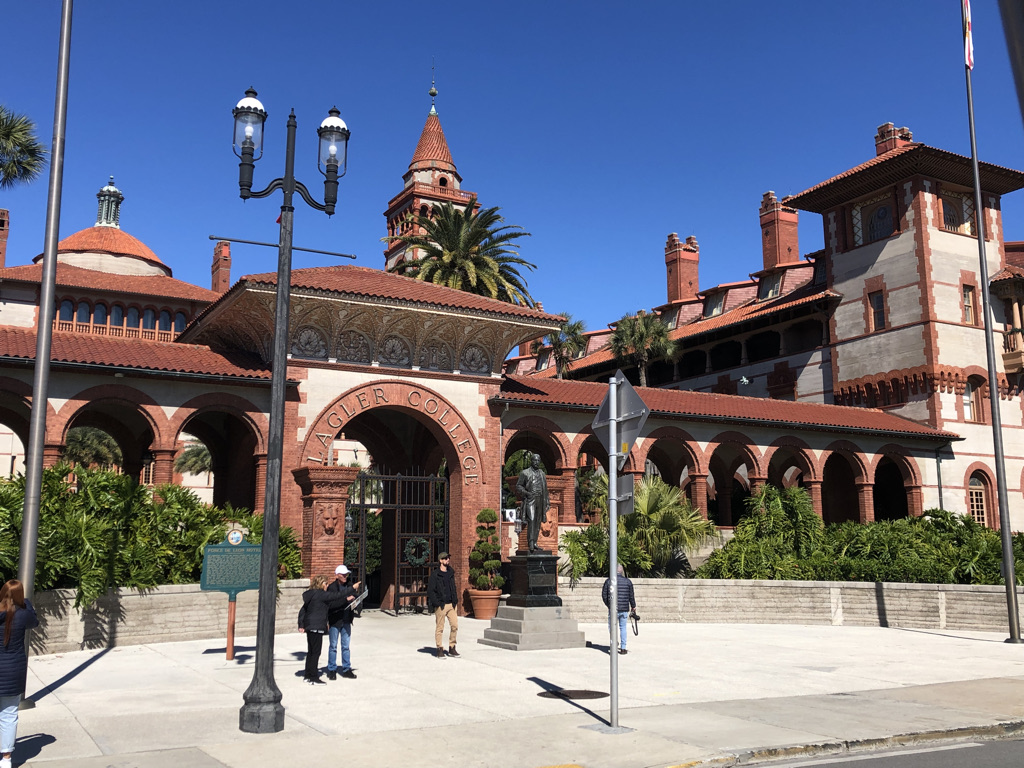
ST. AUGUSTINE’S GROWTH in the 19th century can be largely attributed to Henry Flagler. This was a name I had heard mentioned several times while rolling from Key West to St. Augustine, so now was the time to dig a little deeper. It turns out Flagler was a capitalist who saw Florida as a destination to escape the northern winters. He purchased and improved upon existing railways to bring visitors throughout the eastern side of the state and began to purchase land in St. Augustine to build grand hotels, beginning with the Hotel Ponce de Leon. Today this hotel is part of the Flagler College, founded in 1968. So how did Ohio native Henry Flagler make his fortune? Along with John D. Rockefeller, they founded the Standard Oil Company in 1870. And a short 130 years later, both Jim and I retired from that company…Chevron.

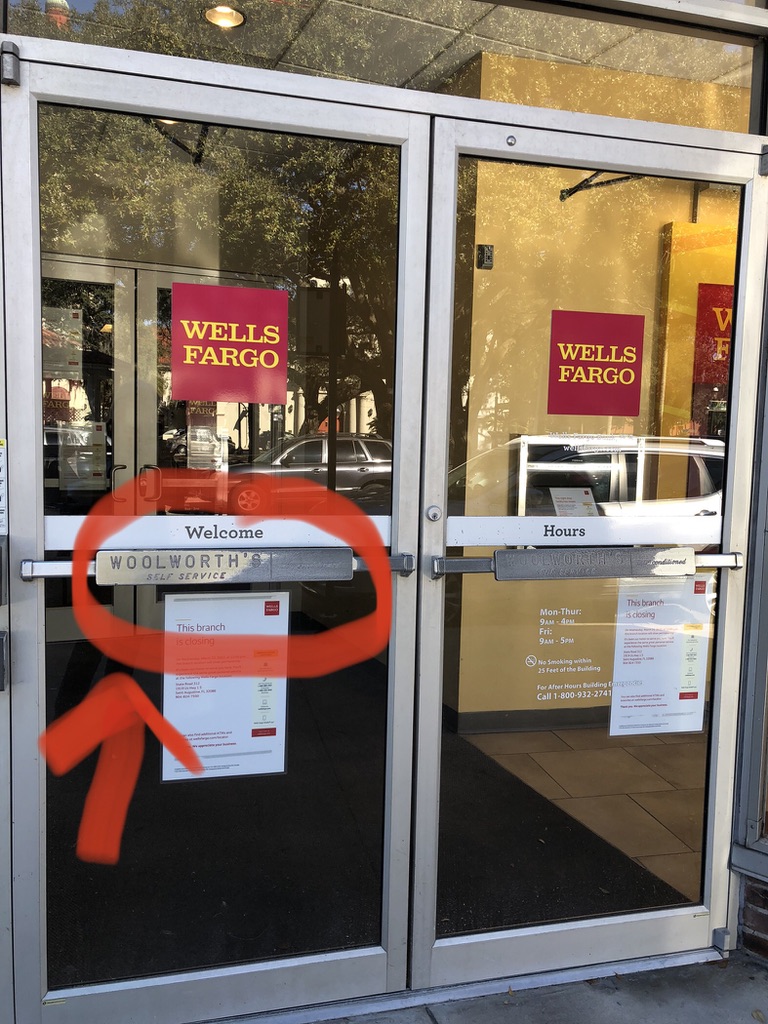
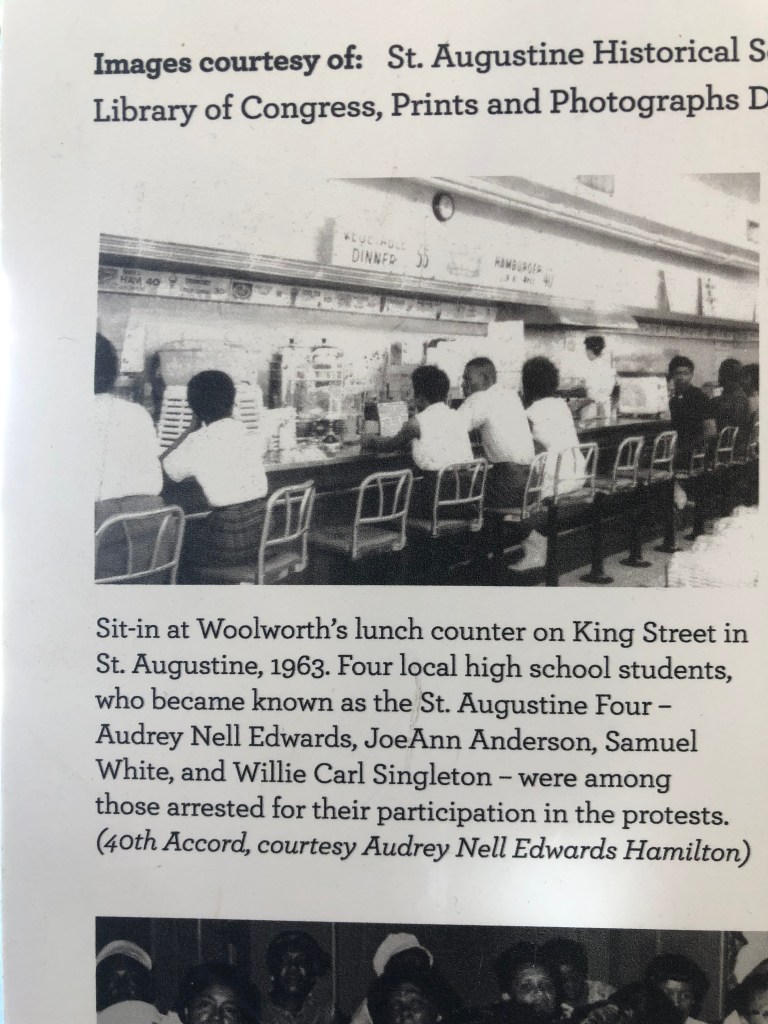
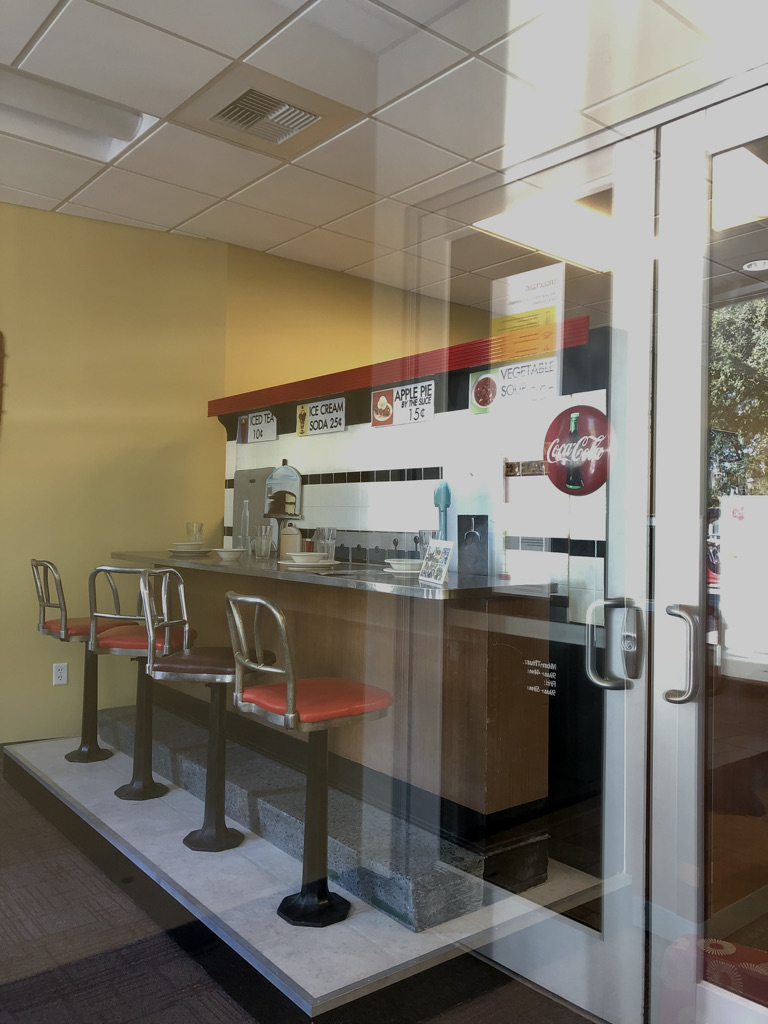
The Civil Rights Movement was active in this seaside town when in 1963, four college students, known as the St. Augustine Four, were arrested for sitting down at the Woolworth’s lunch counter to order a hamburger. The crime? It was a ‘Whites Only’ counter. For this they were sentenced to six months in jail. While the Woolworth’s is now a Wells Fargo Bank, the front door and window display clearly retain the historic nature of the location. In addition, Dr. Martin Luther King, Jr., was arrested here in 1964 for launching a campaign to end racial discrimination in the town. King was moved from home to home to ensure his safety in the Lincolnville section of the city which was settled by freedmen following the Civil War.

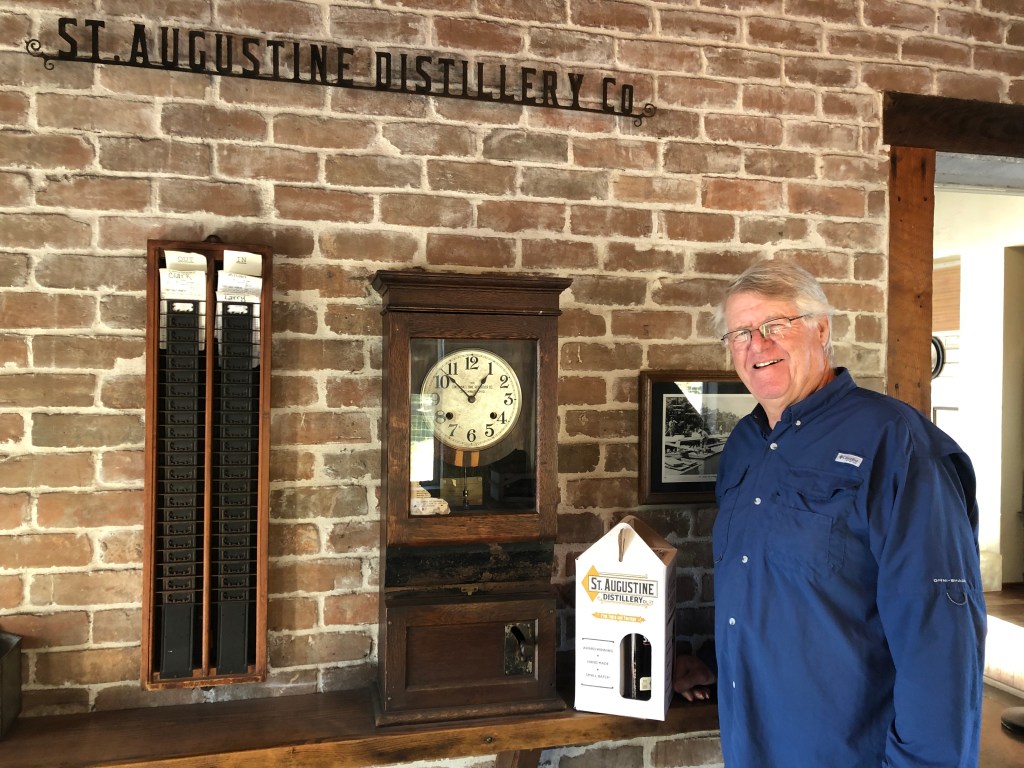
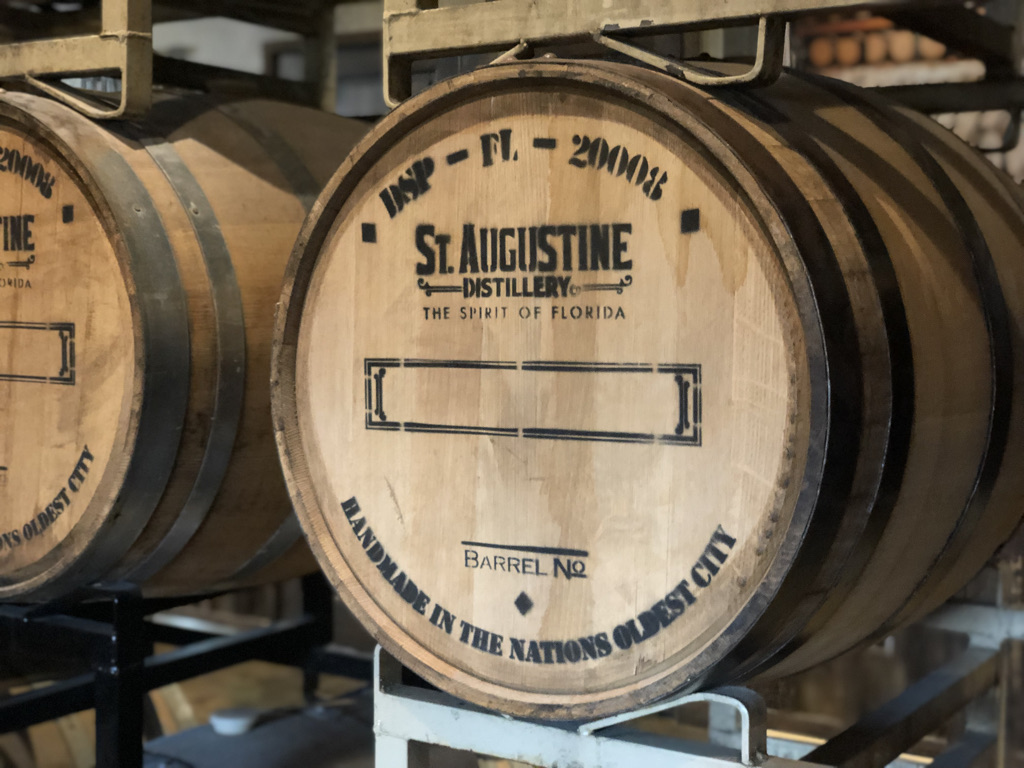
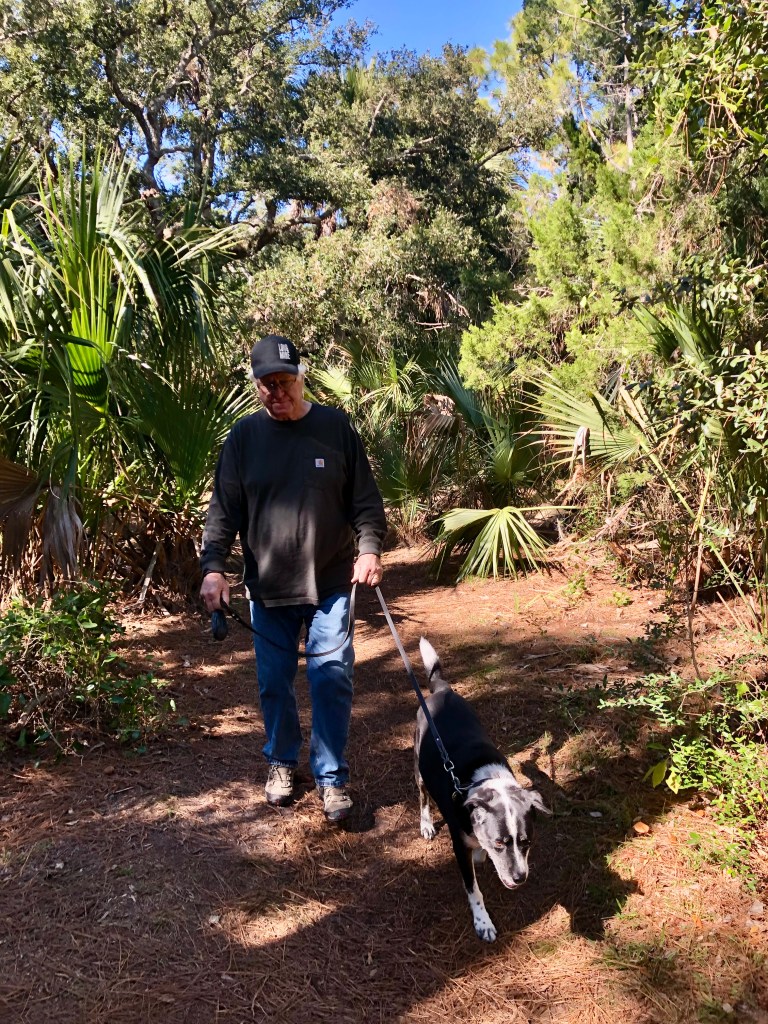
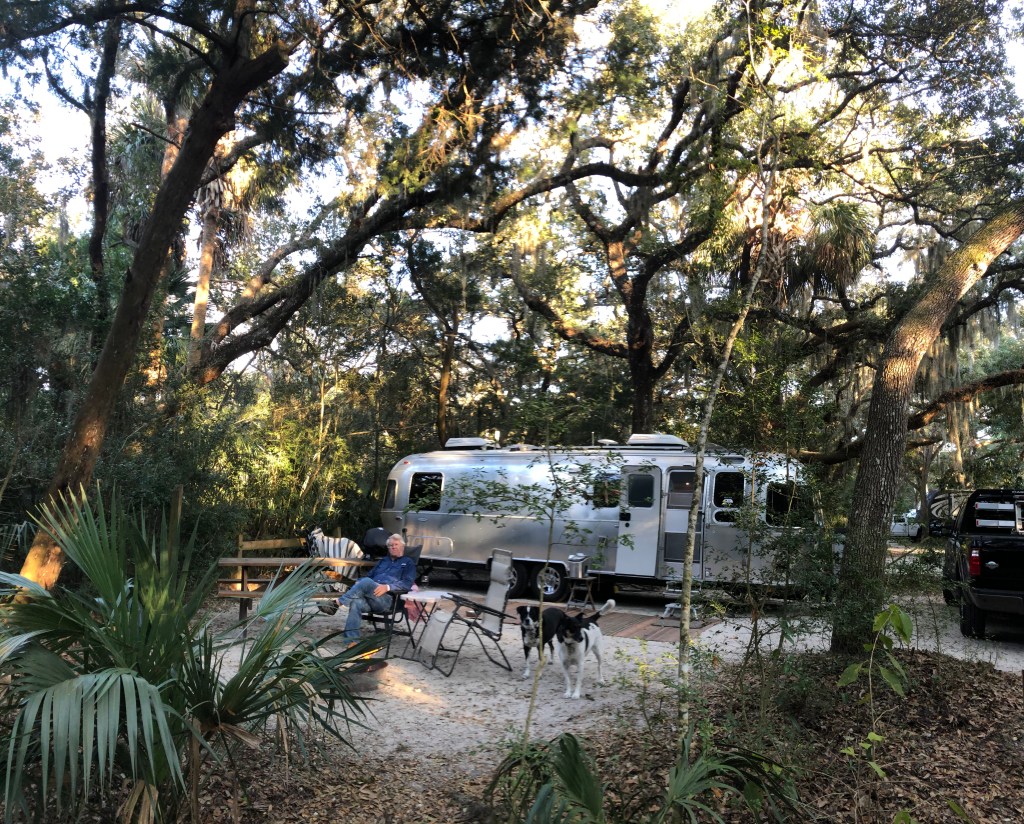
We wrapped up our time in this seaport with a stop at the St. Augustine Distillery, maker of fine spirits. This is a small distillery which offers a self-guided tour and samples of their spirits along the tour. From there it was back to camp and a hike with our Camp Dawgs, Boone & Piper, who were waiting patiently for our return.

With its 500 years of history, I found St. Augustine to be a juxtaposition from its natural beauty with the Atlantic Ocean as a backdrop to battles led to claim the land; from social injustice to tourism and sunshine. If you are in this area, St. Augustine is definitely worthy of your time to discover.

The Ancient City

ONE MORE STOP IN THE SUNSHINE STATE before we roll and that is the town of St. Augustine. Absolutely teeming with history, this town would take several days to soak it all in. With less than a week of discovery, my first plan of attack is to hop a trolley for a tour to get the 30,000 foot level overview, then choose the places I want to discover more in depth.

With a current population of about 14,000, St. Augustine has witnessed just about everything imaginable in history. Inhabitants included the early native population, the Spanish, British and Americans. Following Ponce de Leon’s landing in the early 1500s, the battle over this town included the Spaniards and the British, each who succeeded a couple of times to take the land. It was eventually transferred to the United States after 250 years of colonial status and in 1845 Florida became a state. Located in the northeast corner of Florida on the Atlantic Ocean and with its founding in 1565, this makes St. Augustine the oldest continuously occupied city in the United States.
Ponce de Leon

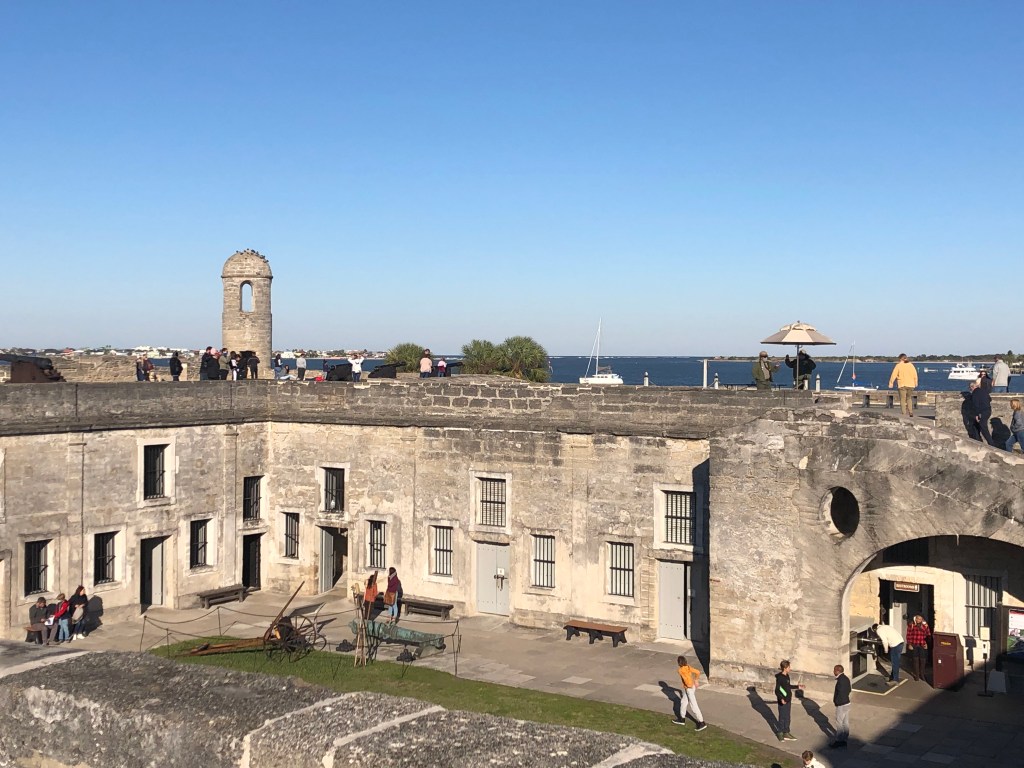
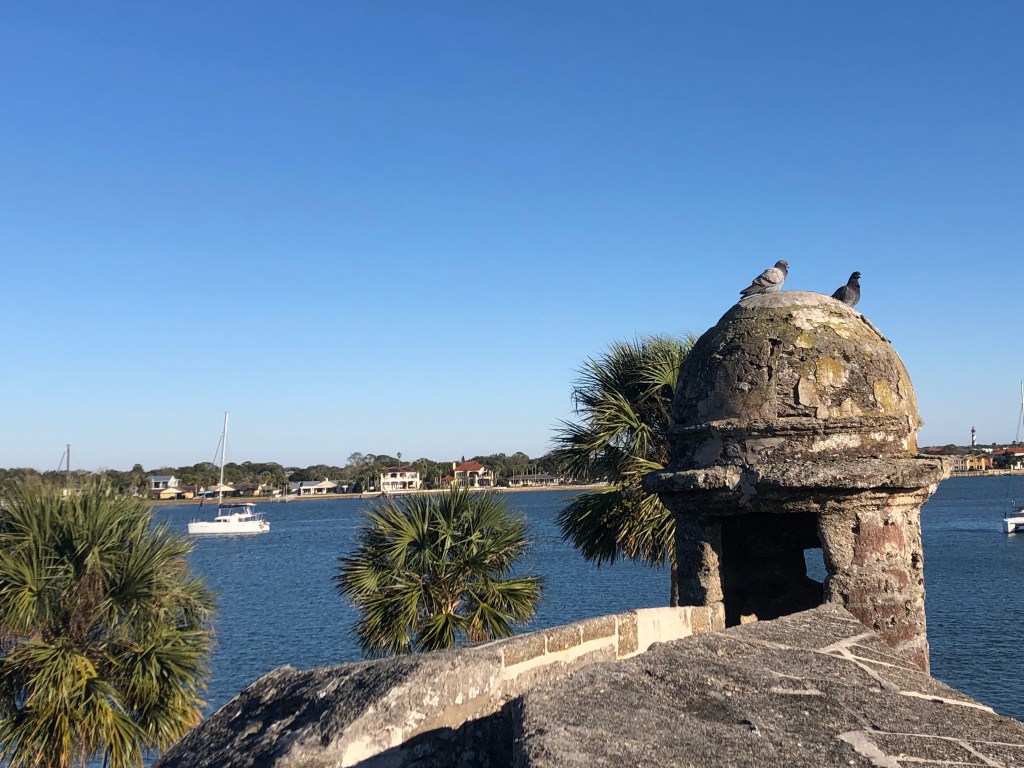
Constructed from 1672-1695, Castillo de San Marcos, the fort, was the first line of defense when enemy ships sailed into St. Augustine. While I found this fort interesting, it was different from Key West and the Dry Tortuga National Park’s Fort Jefferson in that a town did not exist within the fort’s walls. People came to work at the fort as they would a day job, pulling from the population which lived in St. Augustine.

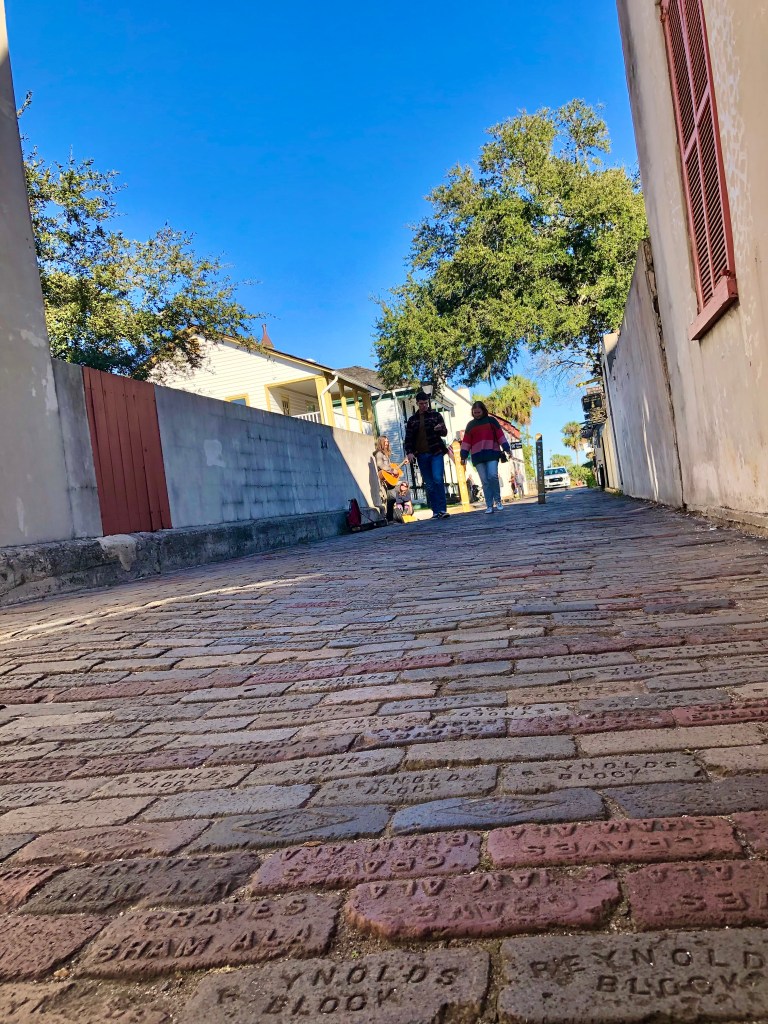
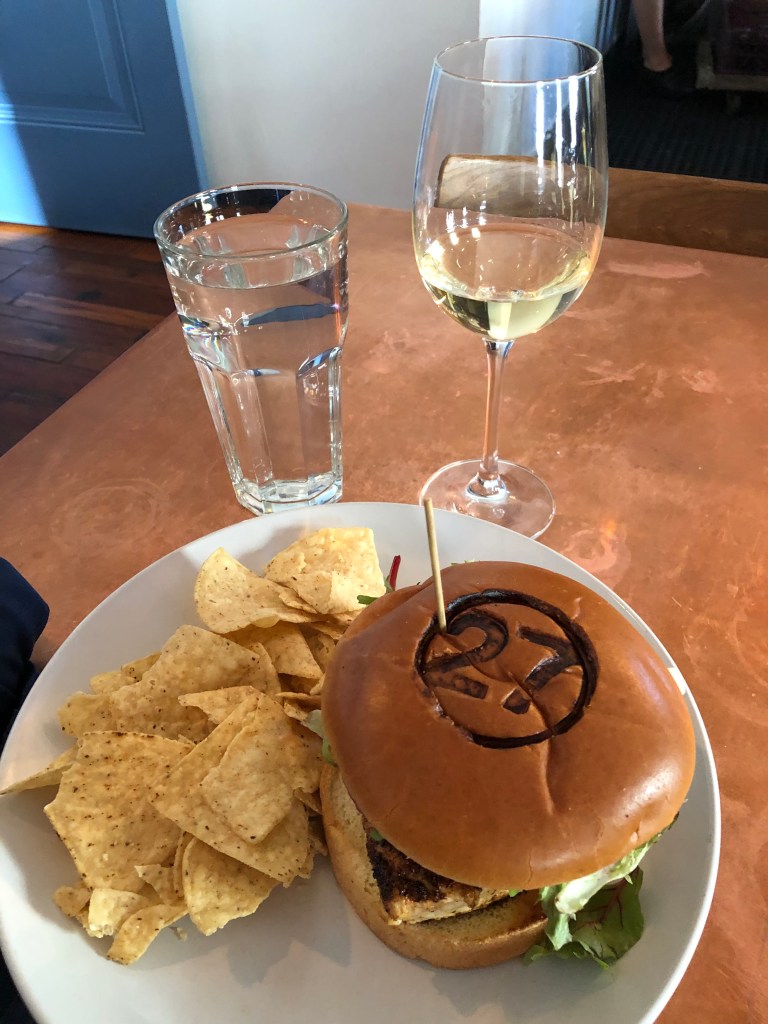
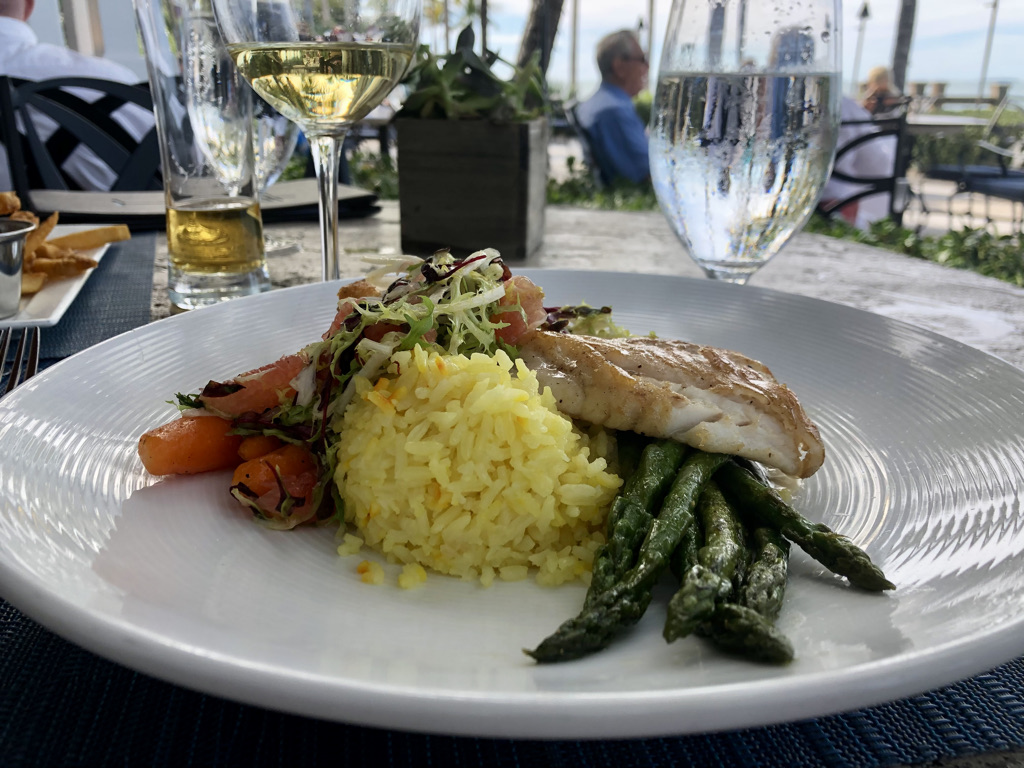
After the trolley tour it was off to the Old City with its narrow alleys and gates established in 1739. This area includes some amazing structures which have stood the test of time. Some are open to tour, but many of them are filled with touristy shops. I did discover a great restaurant, Catch 27, where I had a delicious Mahi sandwich and nice glass of wine before heading back to camp.

Pixie Dust…everywhere!

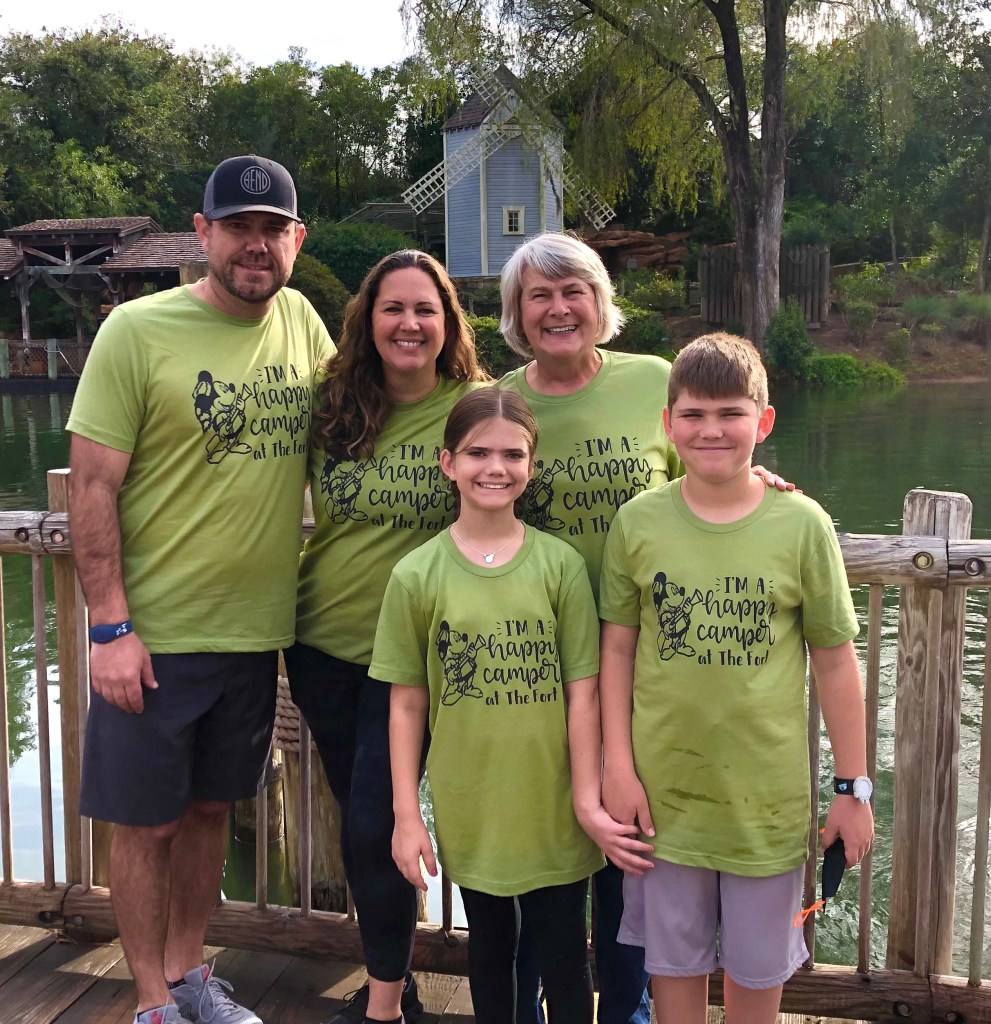
SIMPLY. MAGICAL! Welcoming the grands and our kids to Disney World in Orlando, Florida amplified the magic and oh what fun we had! Our time at Fort Wilderness, Disney World’s campground just minutes from all the action, has come to an end but we created such great memories along the way!

While at Disney World, I had the opportunity to stroll through Epcot for the first time while nibbling my way through 12 countries. Another day, Jim and I caught the boat from camp, then the monorail, to tour the three beautiful hotels nearest the Magic Kingdom…the Grand Floridian, the Contemporary and the Polynesian Hotel for cocktails.

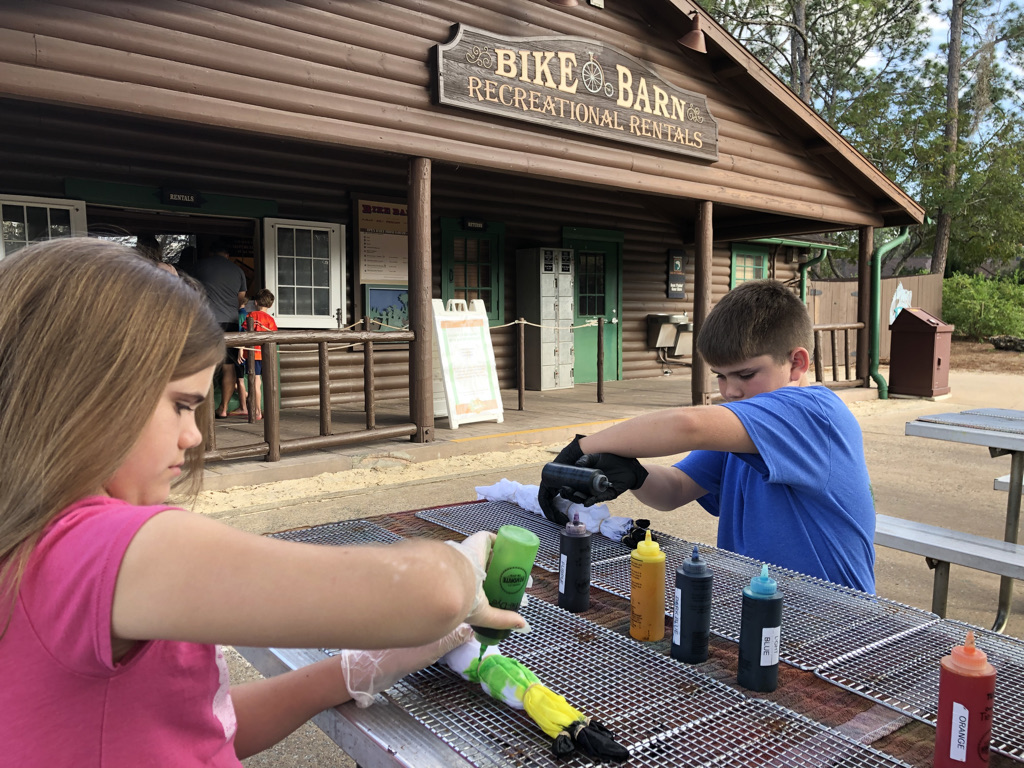
Once our family arrived, Jeff, Miranda, Jack & Betsy made it to both the Magic Kingdom (Disney World) and Animal Kingdom (my absolute fav!), but Jack, mommy & daddy also slipped in a day at Universal Studios (Harry Potter) while Betsy and I had fun at camp. Seriously, you could stay at Fort Wilderness, never entering any of the four Disney parks, and have a fabulous time! Activities include trail rides, tie dye shirts, canoe/kayak, loopin’ in your golf cart, relaxing at one of the two pools, mini golf nearby, grabbing a monorail to the hotels…the list goes on!

I also had fun meeting up with a very good friend, Suzy, at Disney Springs (Disney’s dining and retail location, similar to Downtown Disney in Anaheim, CA) where we took in an amphicar ride. These cars were manufactured in Germany from 1961 to 1968 and used a 4-cylinder Triumph motor. Their speed is 7 knots in the water and 70 mph on land. I actually have fond memories of the mid-60s and having the opportunity to ride in one of these on Lake Sheridan in South Dakota.
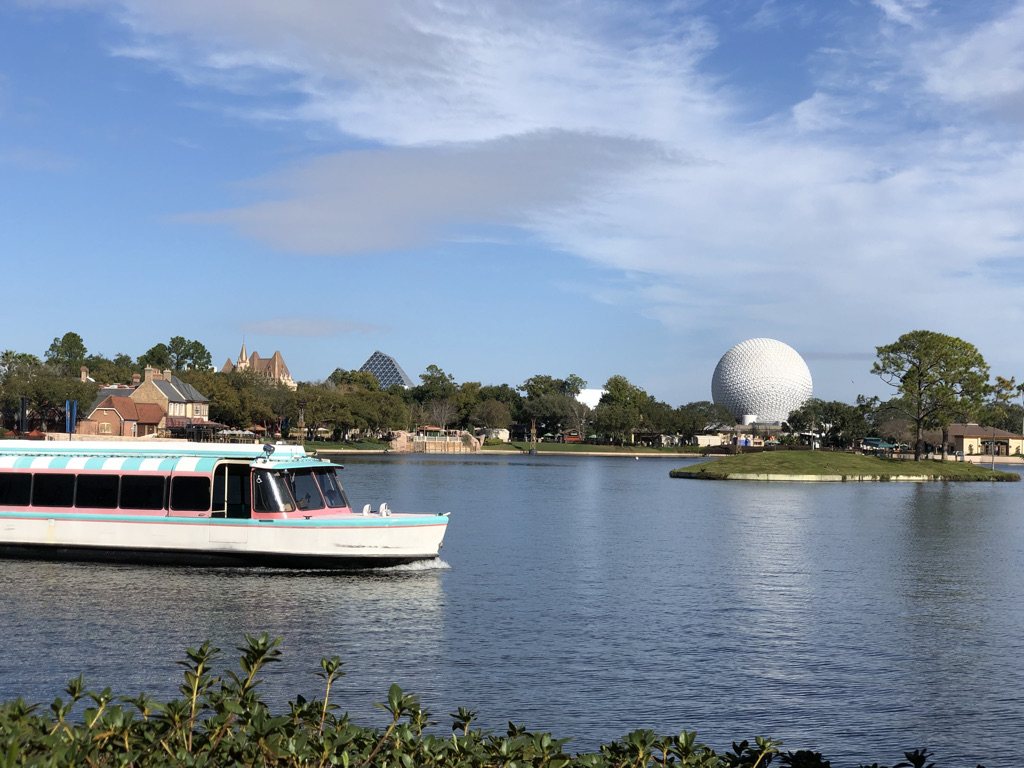
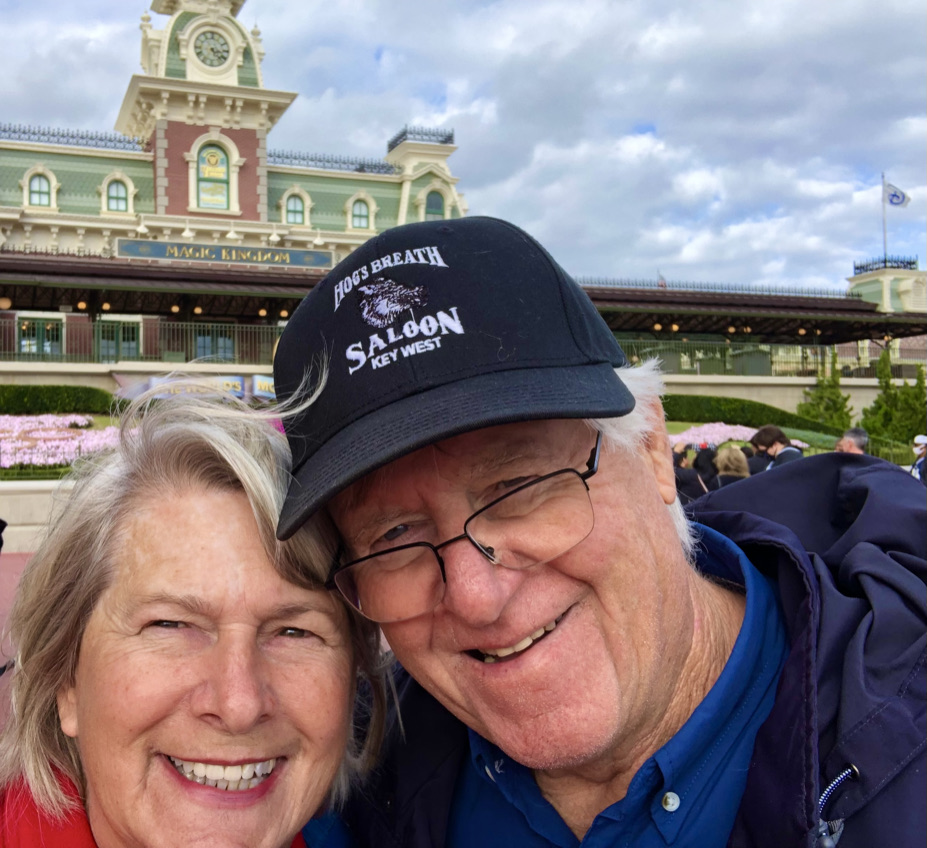
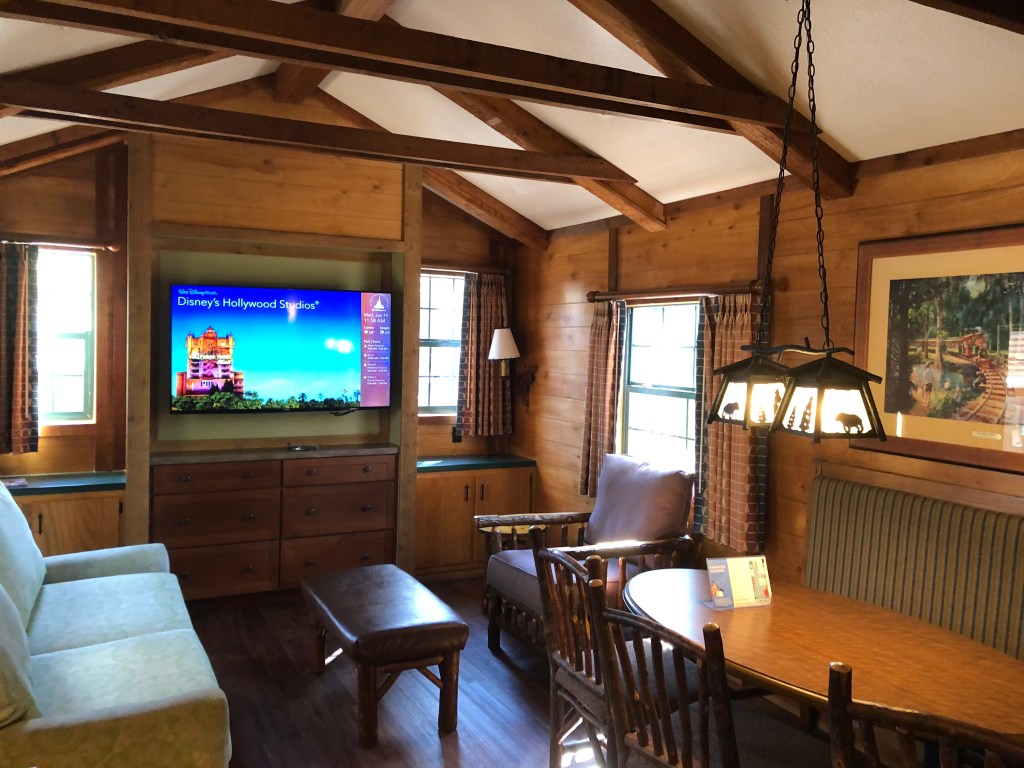
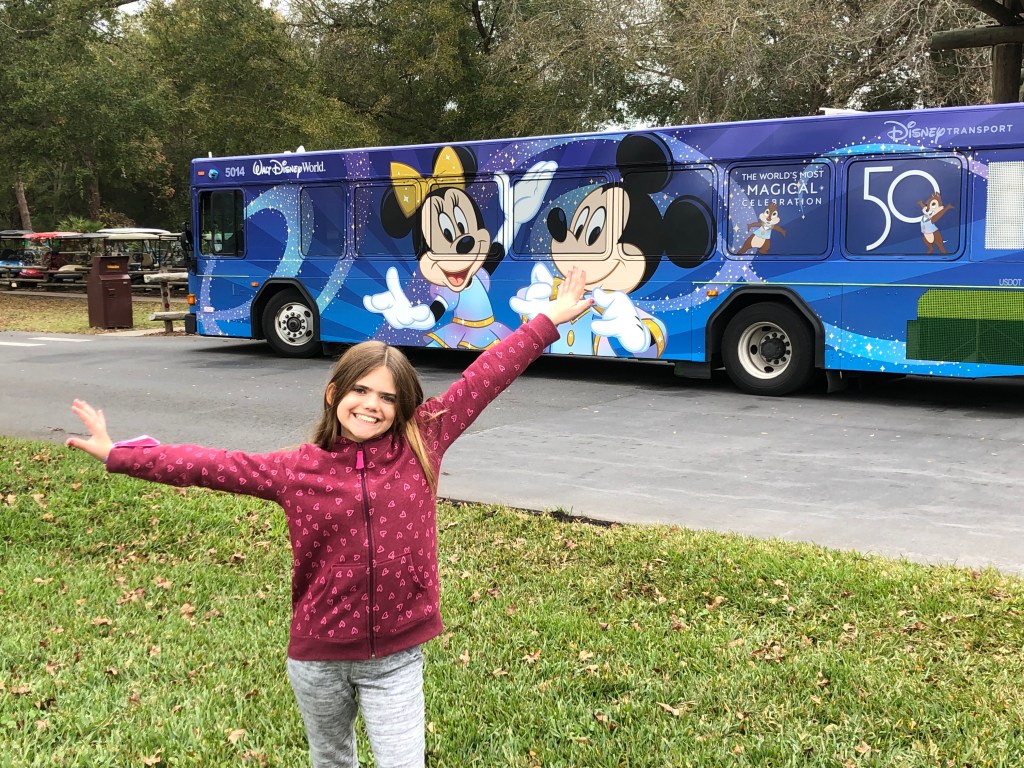
2021 marked the 50th anniversary of Disney World and this milestone was noted throughout the Parks in their parades, souvenirs, bus transportation, banners, etc. We had a wonderful time connecting with family who stayed nearby in a Fort Wilderness cabin and we enjoyed the parks even with some pretty cold and damp days in the Sunshine State.

Fort Wilderness USA

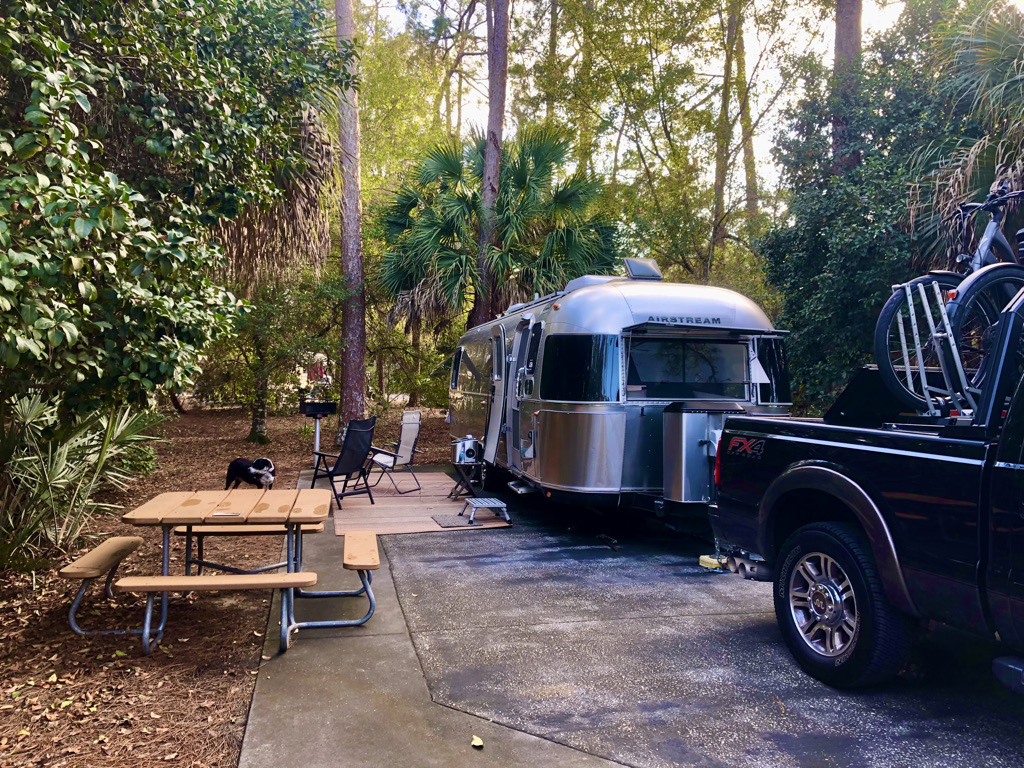
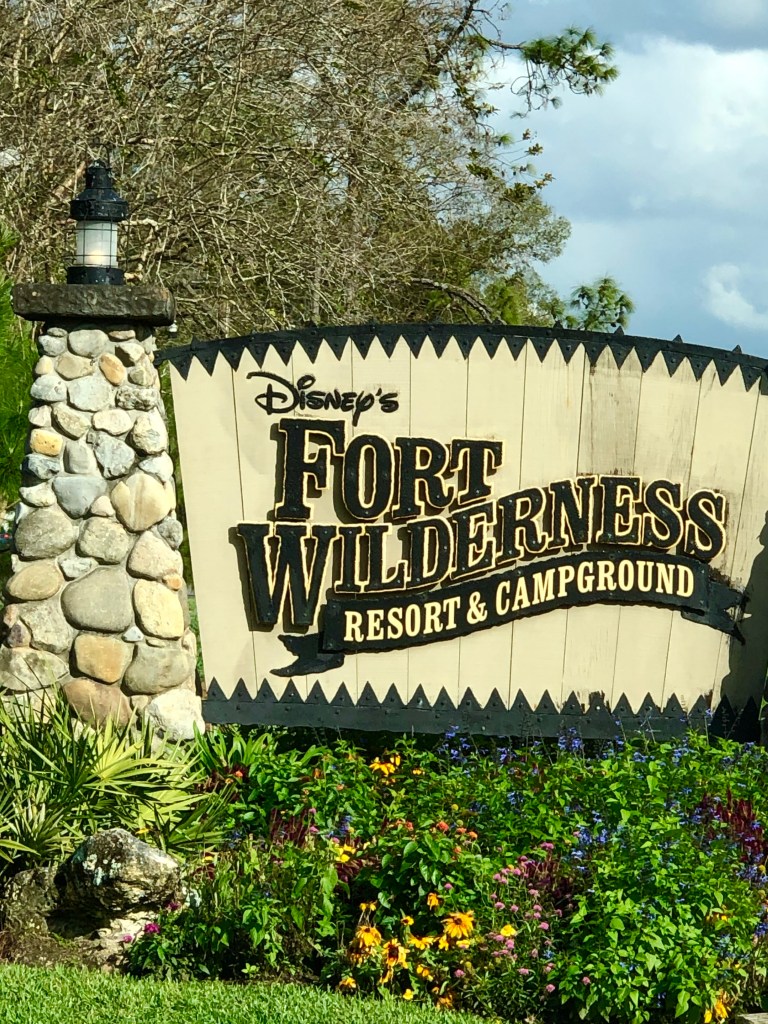
PLEASE DON’T WAKE ME BECAUSE SURELY I’M DREAMING! We landed at Fort Wilderness, Disney World in Orlando, Florida, earlier than we had planned. But with a not-so-pleasant experience at a previous resort, a quick call to the Mouse and an open campsite sent us cruising into Lake Buena Vista and another Top 10 RV Resort…Fort Wilderness Resort & Campground.

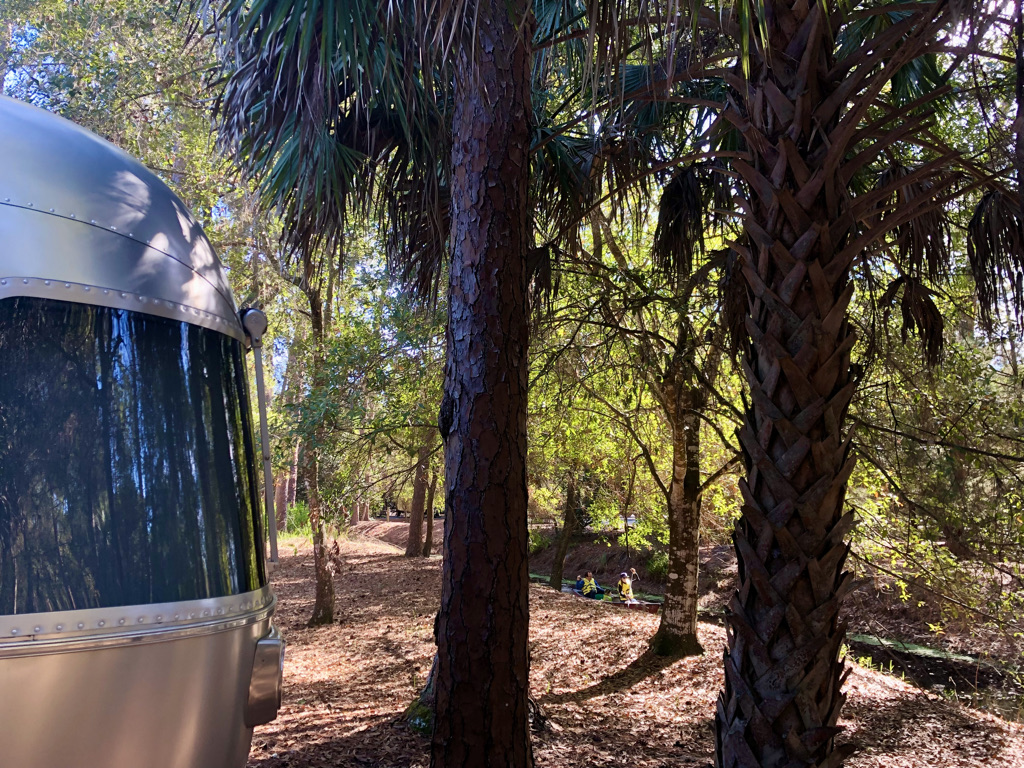
My expectations were high based on prior Disney experiences, but having never stayed here before, I held my breath and crossed my fingers. With a little pixie dust sprinkled in, I found this resort did not disappoint. We settled in near the Waggon Tails dawg park for a few weeks of sunshine and look forward to new adventures.

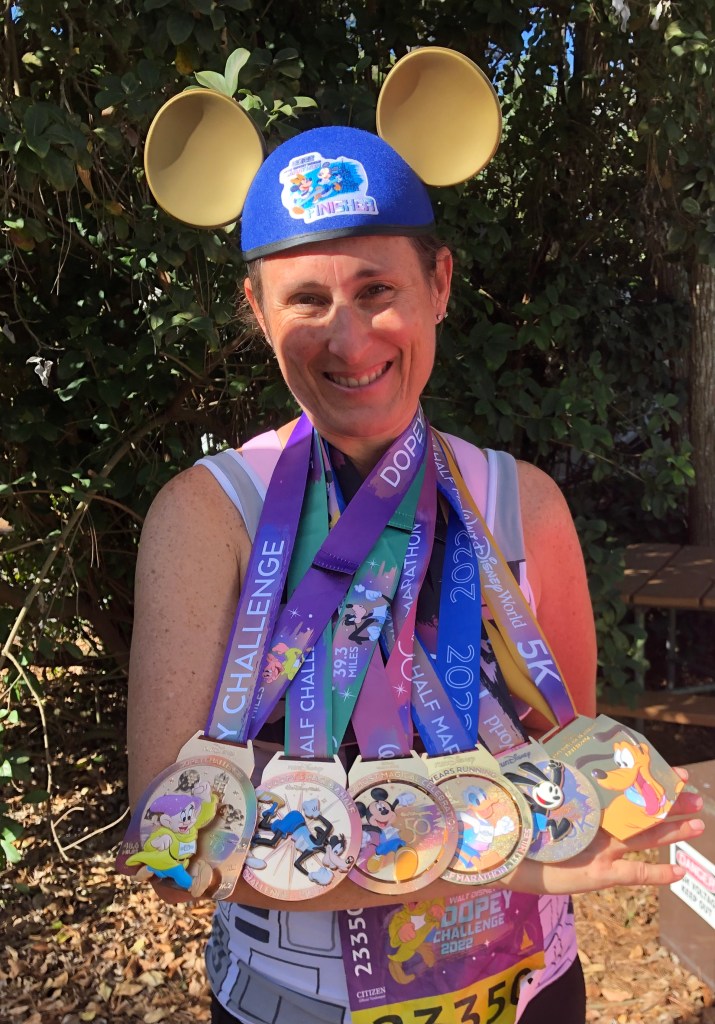
We’ve met some great people here, including Toni, our neighbor. This past weekend was Disney Marathon weekend and people come here by the thousands to run. Toni’s great accomplishment? As a former runner, I bow down to anyone who can run a 5k on Thursday, a 10k on Friday, a half-marathon on Saturday, and a full marathon (26 miles) on Sunday. She also completed two other challenges to score additional medals…and she’s STILL smiling. My goal during the rest of our stay is to be like Toni.

A camping experience like no other….

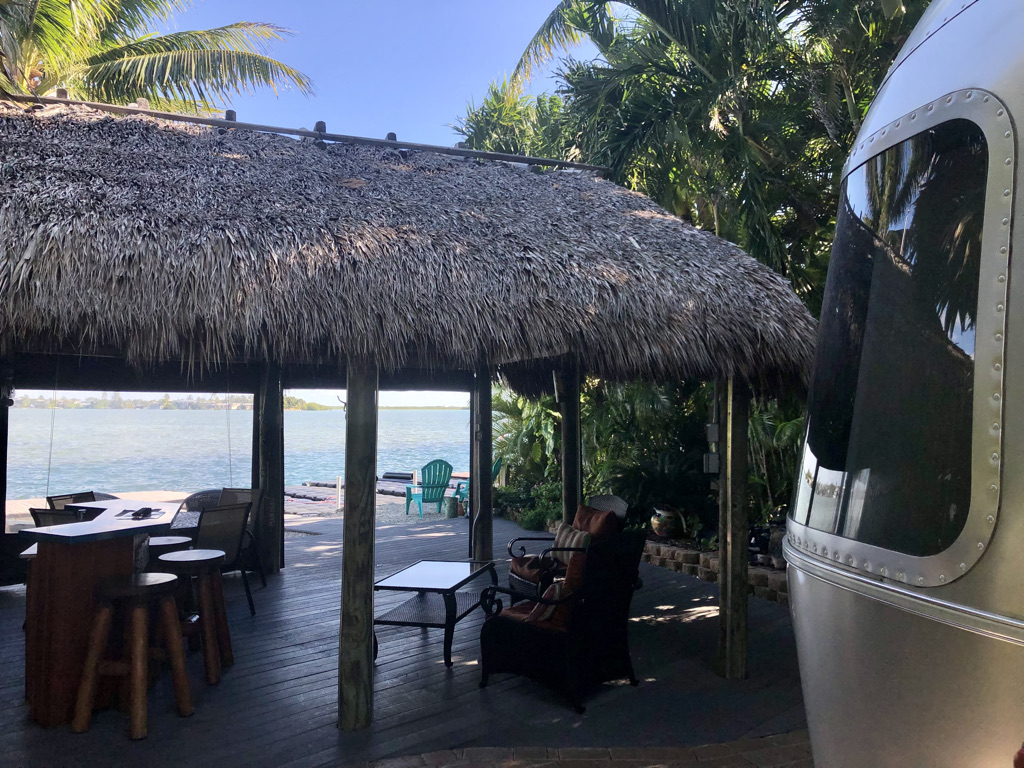
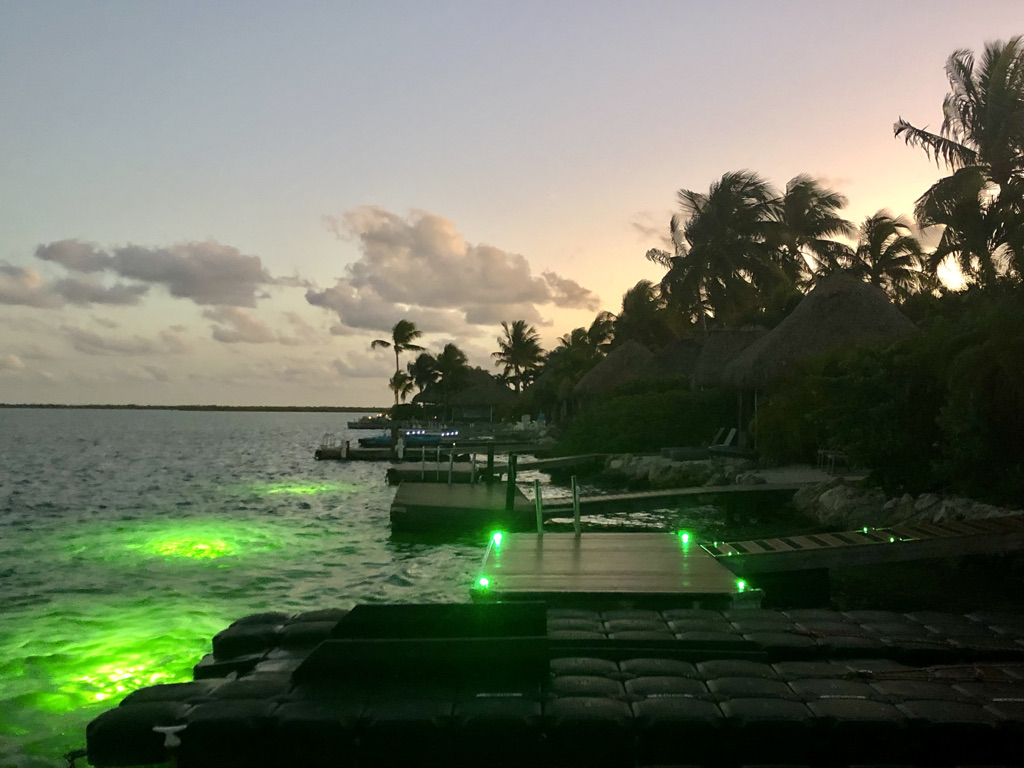
WELL COLOR ME HAPPY….as in Happy Camper! In almost 17 years of Airstreaming I can honestly say we have never rolled into such an amazing place to sit back, relax and simply take in the beauty of Florida’s Lower Keys.

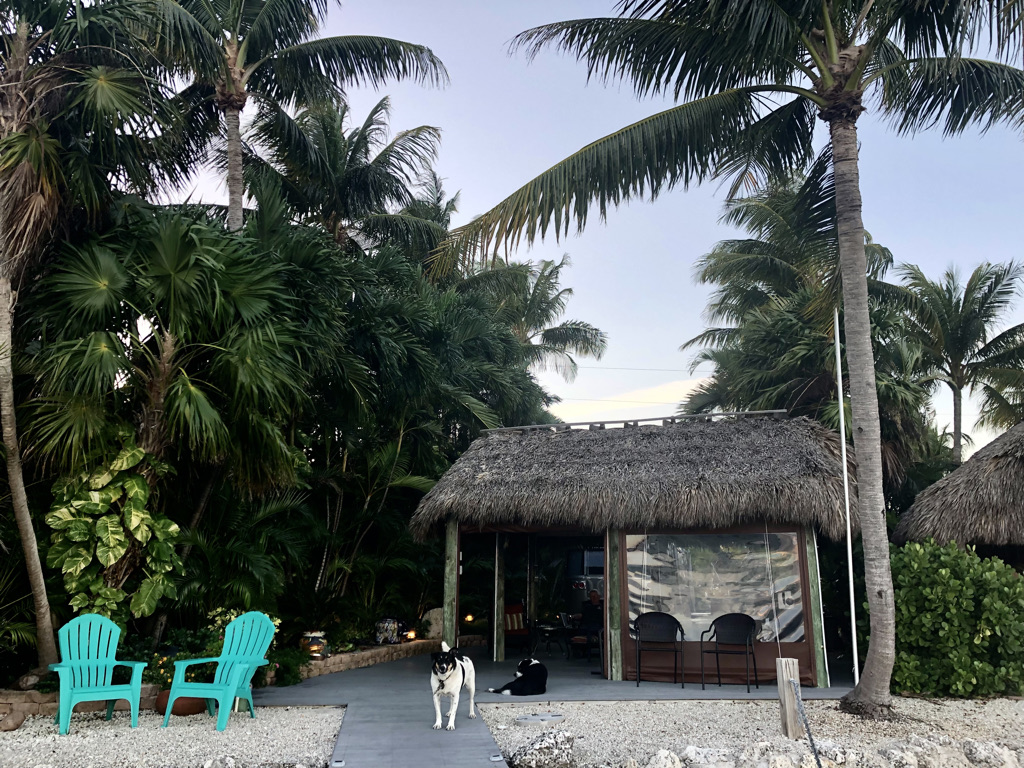
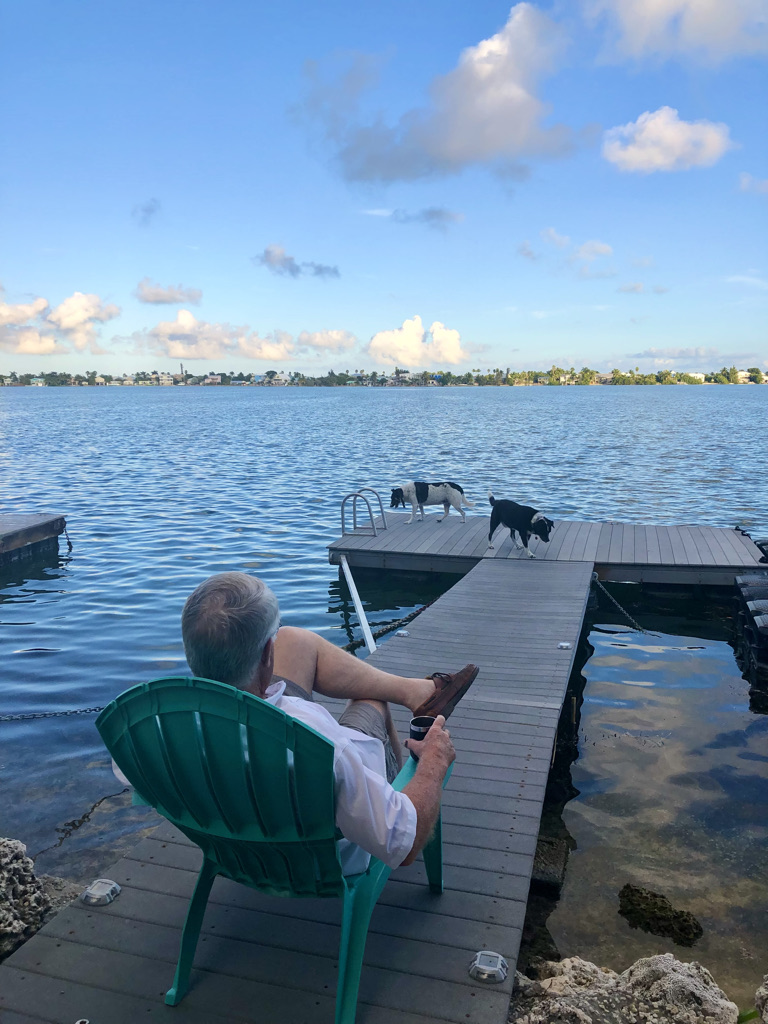
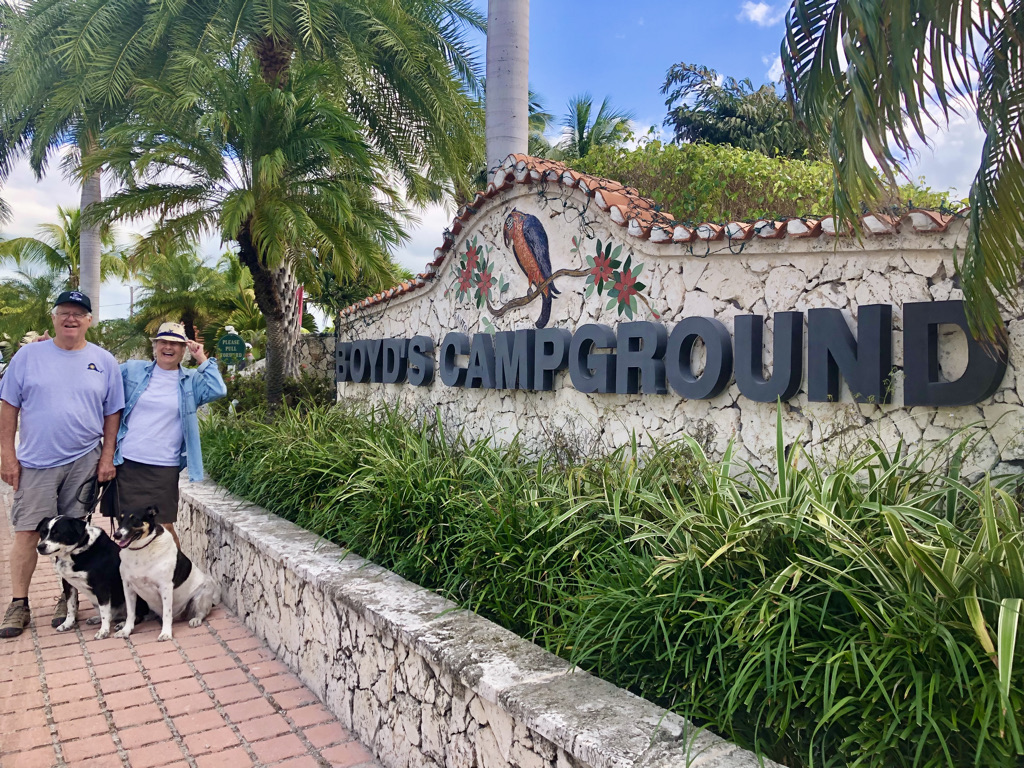
After a month of exploring Key West we departed Boyd’s Campground at Mile 5 on Stock Island and headed north on Highway 1 where we pulled into Bluewater Key at Mile 14. It’s here that our jaws dropped, literally. Difficult to secure a site, these 80 owner-owned lots are all a bit different in appointments and views. While all sites have Tiki Huts, some are fully furnished with a bar, refrigerator, kitchen and comfortable seating areas; and others are more simply appointed. The sites vary with bay views (shown); canal views or tropical views (no water views). At Bluewater Key you can rent kayaks or bring your own.

We had the opportunity to meet some great people, both travelers and owners. Bluewater Key is a bit too far to bike/golf cart ride to tour Key West so after all the crowds and excitement that Key West offers, stop by this tropical paradise for a night or two to relax.

Keys Disease

WHAT IS IT THAT MAKES KEY WEST SO SPECIAL? This 127-mile-long section of US 1 is literally filled with adventure linked by more than 40 bridges including the spectacular 7-mile bridge. There are amazing communities along the way, great campgrounds, restaurants, diving, snorkeling, sailing, it’s all here!

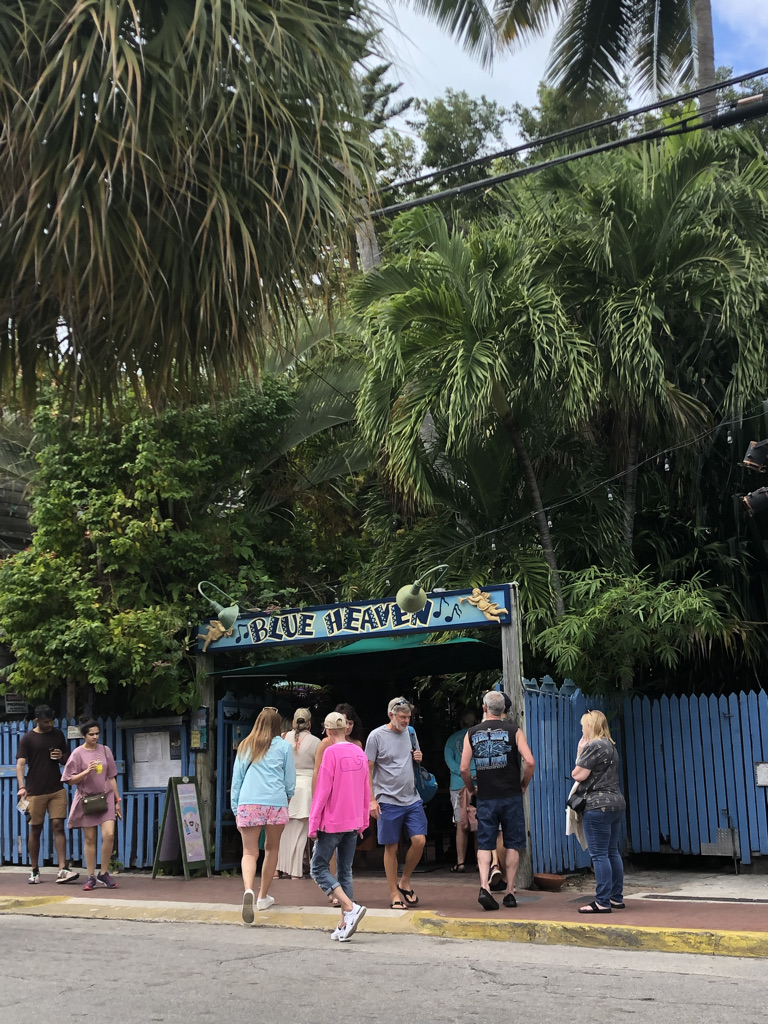
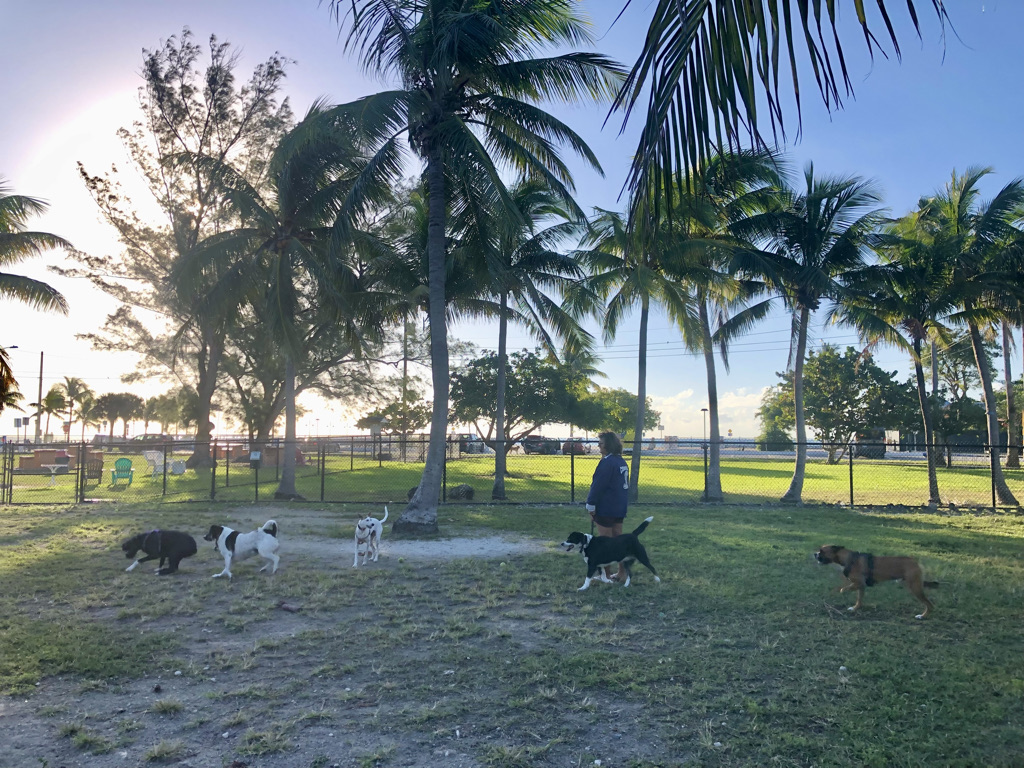
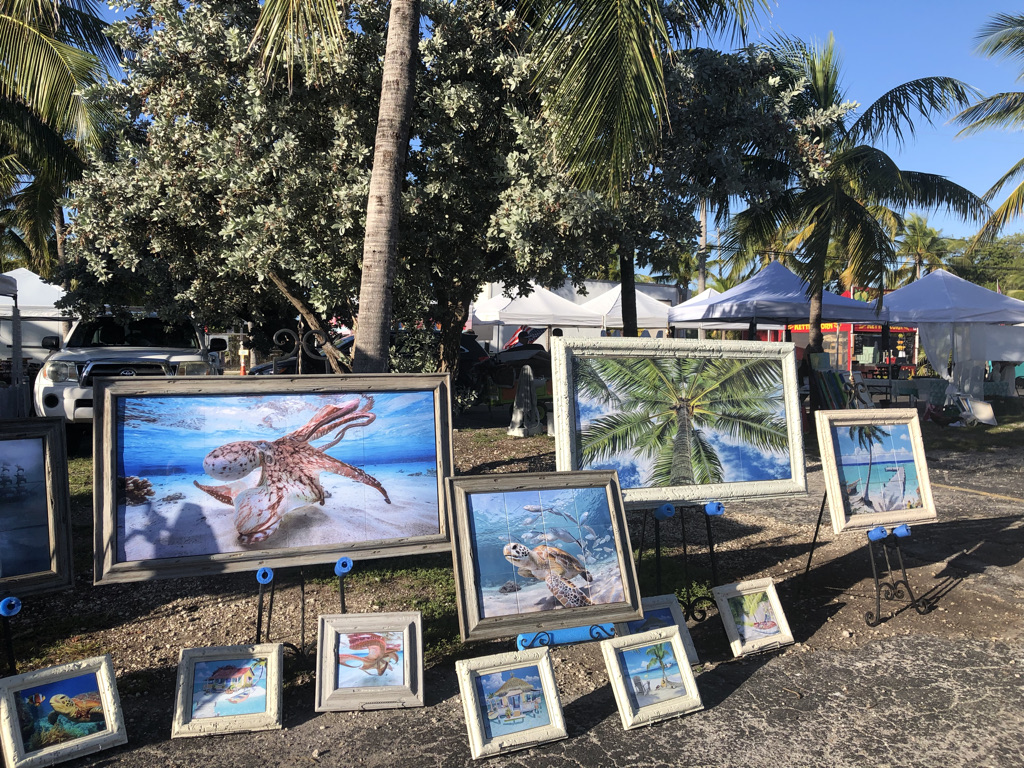
As we get ready to depart Key West, the town is moving into Christmas mode and crowds are picking up. There are several things I’ve saved for our next visit (yes, we’ll be back!) like Truman’s summer home and the floating Tiki bars that come with a captain/bartender! Top of our list this time around was lunch at Latitudes on Sunset Key, lobster omelette at Blue Heaven (or anythings at BH!), the floatplane trip to the Dry Tortugas National Park and sailing along with everyday things like trips to the dawg park, visiting various artisan/farmers markets, and discovery bike rides around the island.

Another reason this destination is one of my favs? Jim, who hung up his Chevron corporate hat eons ago with over a million miles with United Airlines, is one tired traveler. He has always said, “Sweetie, I’ll take you anywhere you want to go…in the Airstream.” It looks like I discovered the perfect tropical island where our Airstream fits in perfectly!

Southernmost National Park

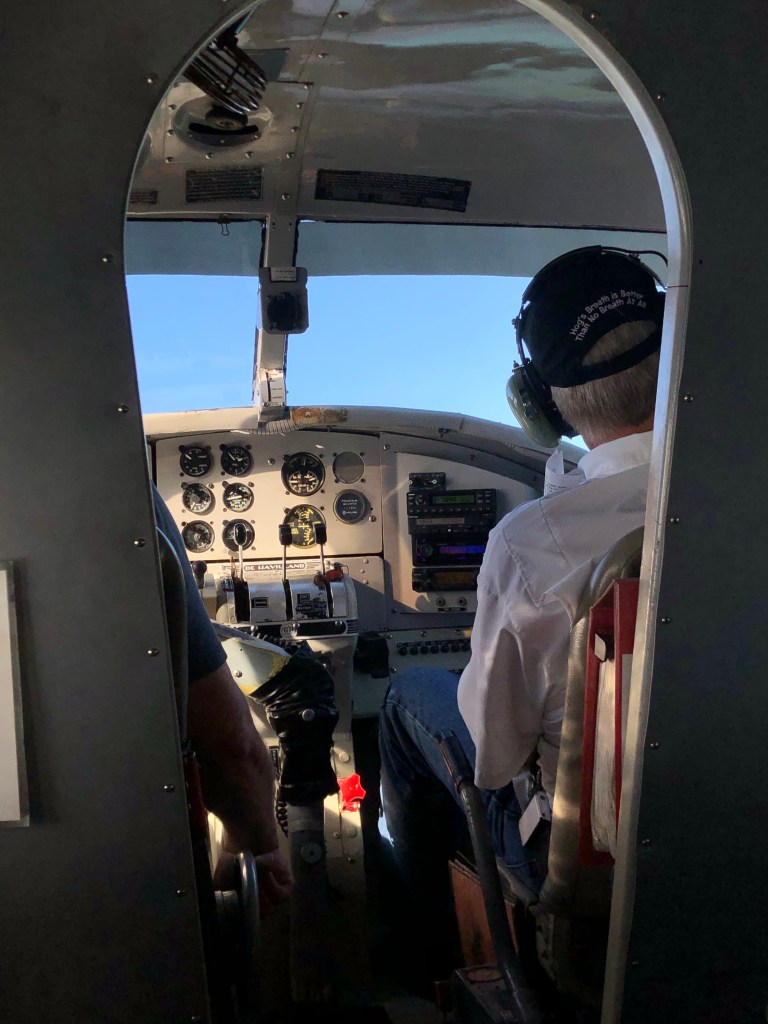
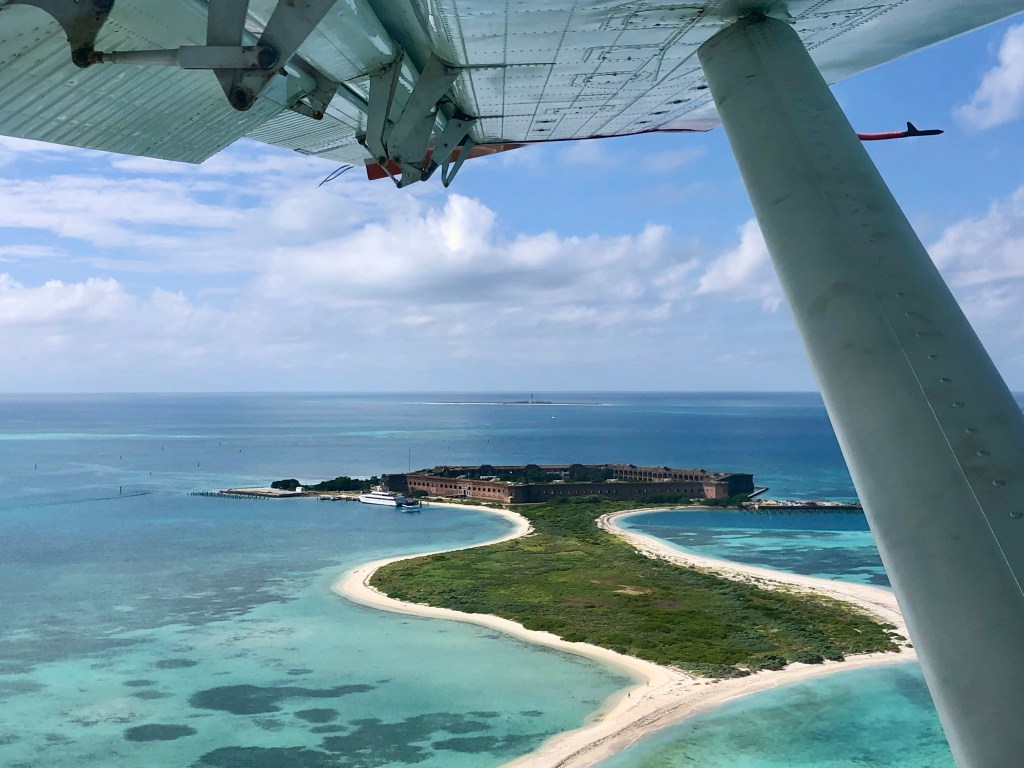
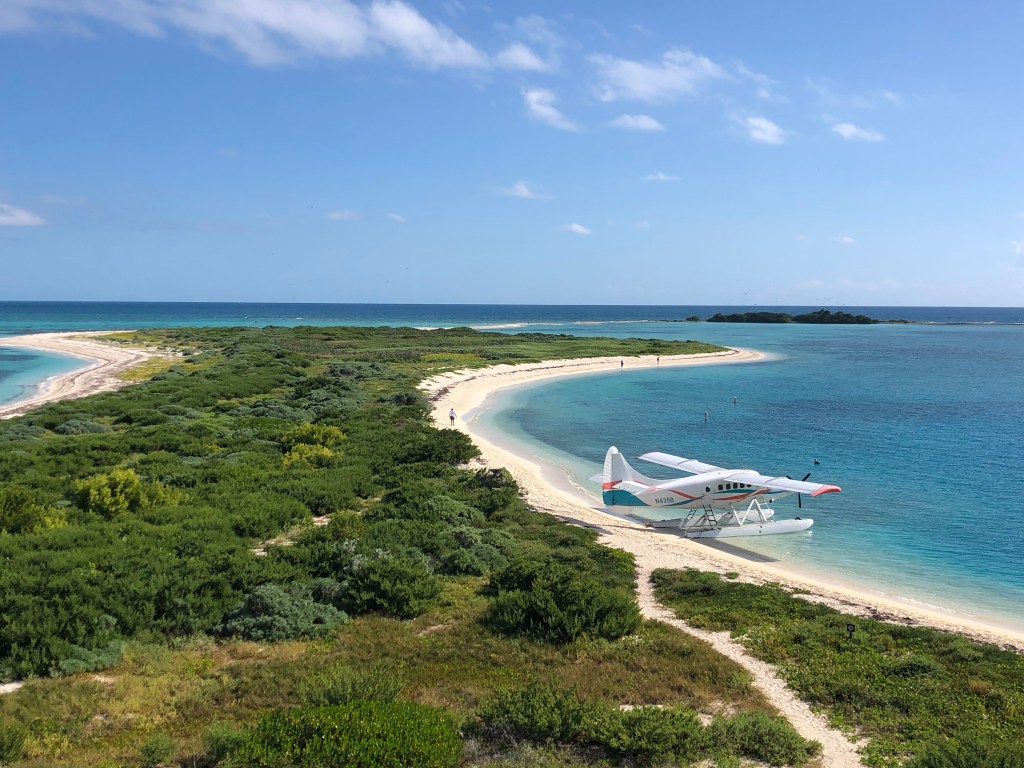
DRY TORTUGAS NATIONAL PARK is comprised of seven islands of coral reefs and sand. Located 70 miles off the coast of Key West, it is accessible only by boat or seaplane. Prior to our arrival here in Key West, I had no idea this national park, designated in 1992, existed. We booked our flight on a 10-passenger floatplane where Jim took the right seat and off we flew, about 350 feet above the water, to Fort Jefferson and DTNP.

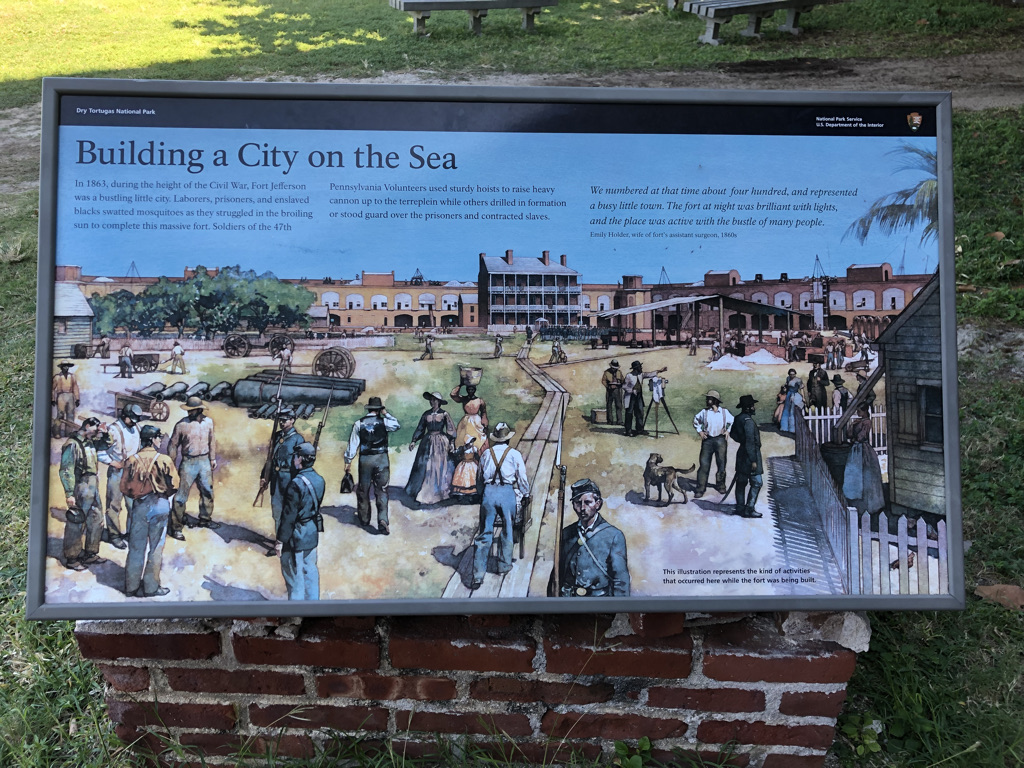
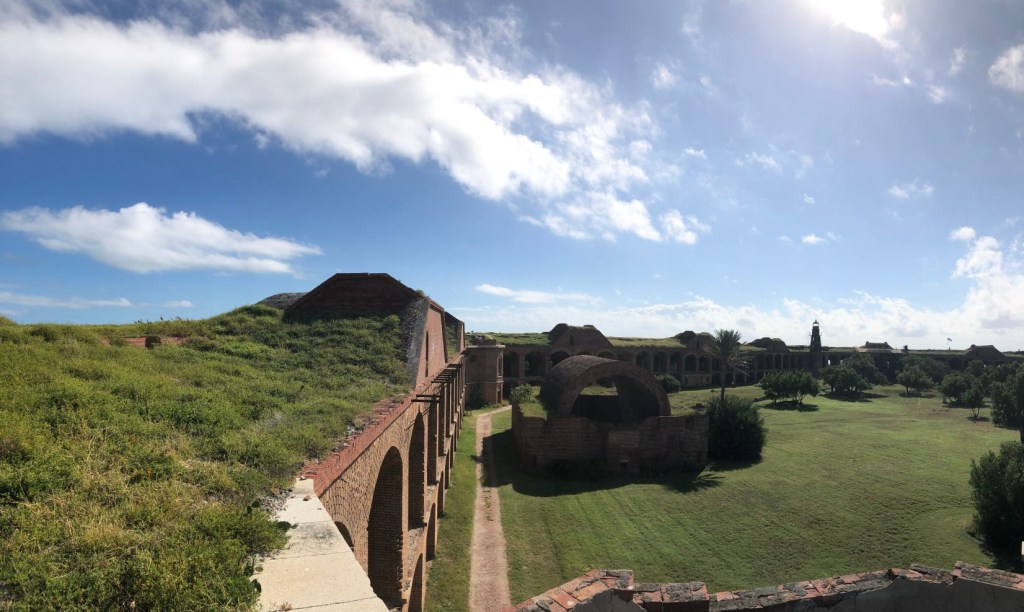
Named Dry Tortuga to alert early mariners there was no fresh water available, but an abundance of turtles, the island today consists of Fort Jefferson which began construction in 1846, yet never finished. The idea was that the United States could control navigation to the Gulf of Mexico and protect Atlantic-bound Mississippi River trade by fortifying this area. During the Civil War, with no trade on the Mississippi, there was nothing to protect and the fort was never completed. It was used, however, as a Union military prison for captured deserters and held four men convicted of complicity in Lincoln’s assassination. The most well known, Dr. Samuel Mudd, tended to John Wilkes Booth’s broken leg sustained when jumping from the balcony at Ford’s Theater.

Today the park welcomes visitors and serves as a sanctuary for the endangered green sea turtles. There is also an almost-impossible-to-book small (tent) campground. Catch the ferry, load up to 60 pounds per person, and book a night at this national park!

Sailing the Sea

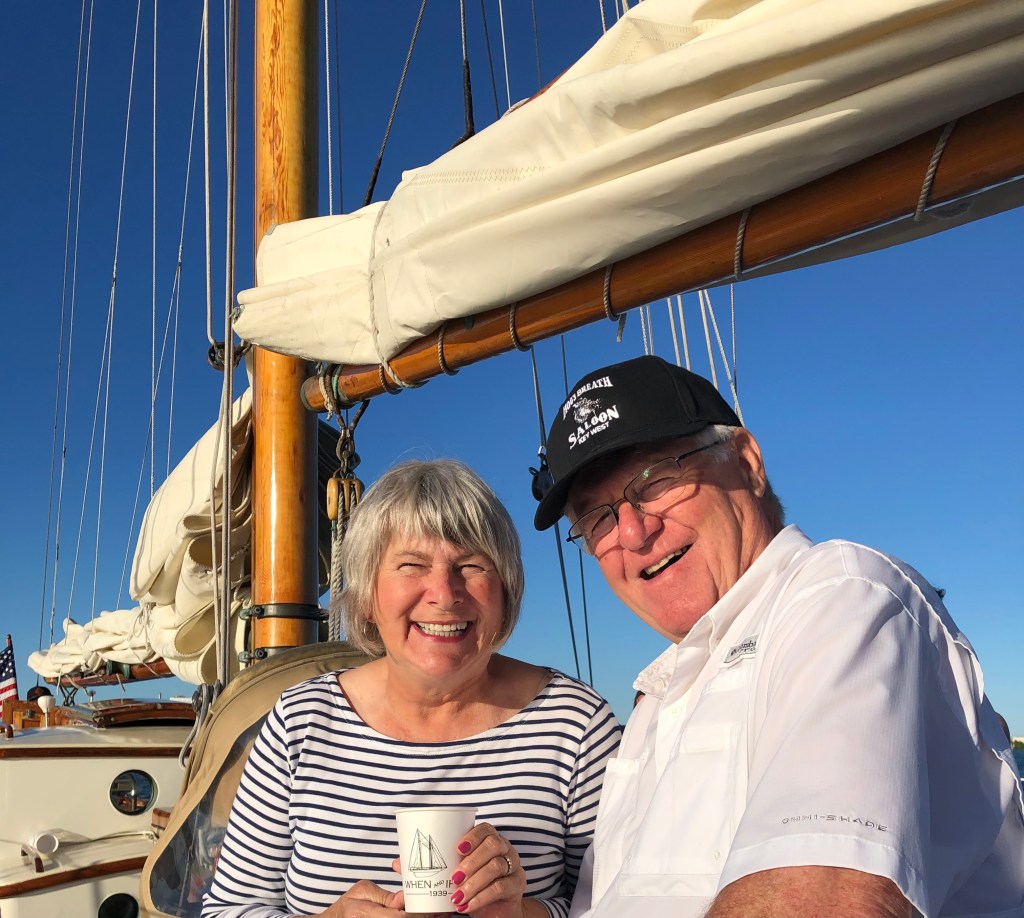
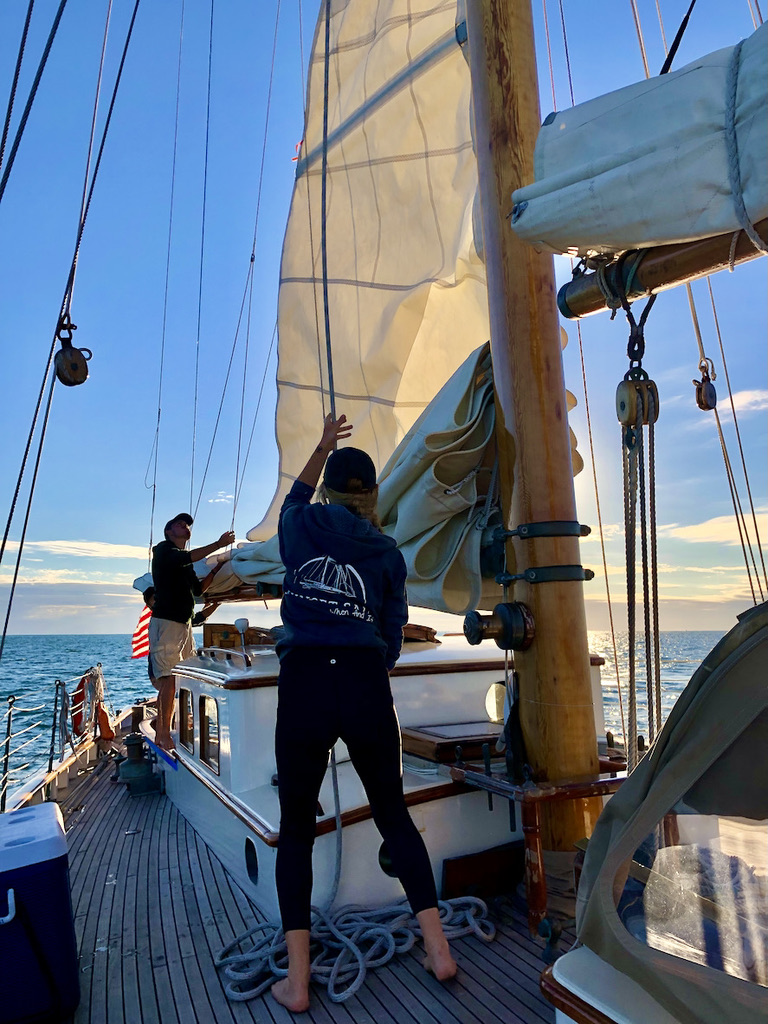
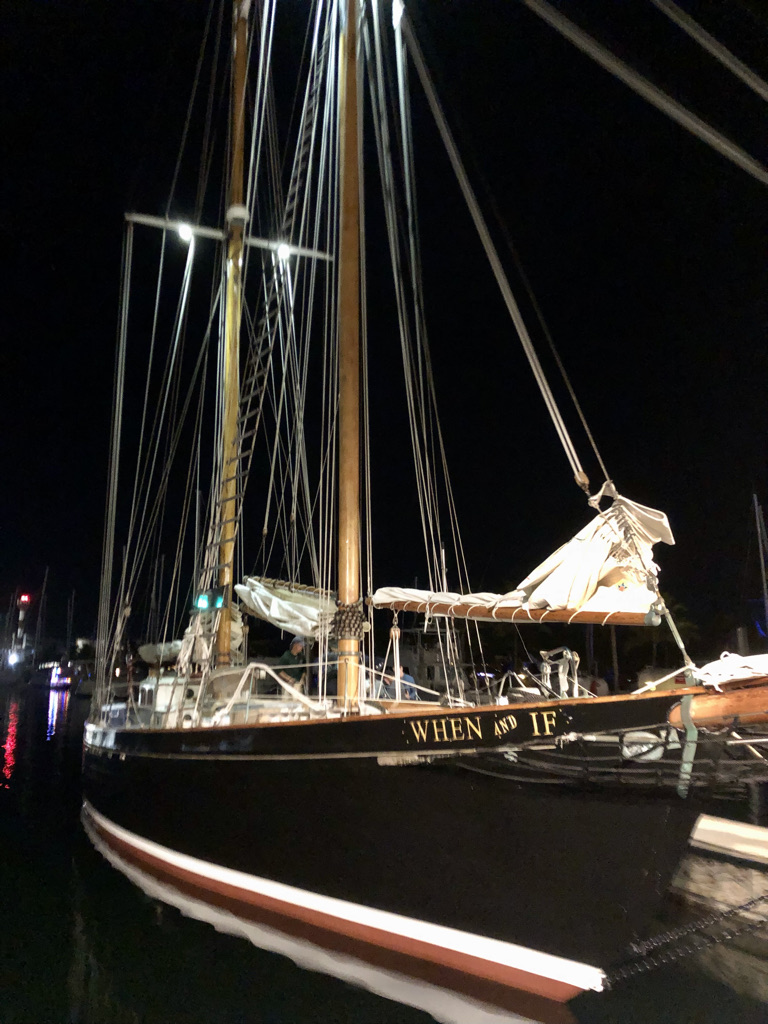
THERE’S SO MUCH TO EXPLORE here in the Keys, like General Patton’s 1939 schooner, the When and If. We boarded and enjoyed a (blustery!) two-hour sunset sail on the 80′ boat of which Patton said, ‘When the war is over, and If I live through it, Bea and I are going to sail her around the world’. Unfortunately, at 60 years young in 1945 following a brilliant military career, Patton died in a car accident and never fulfilled his dream.

Key West

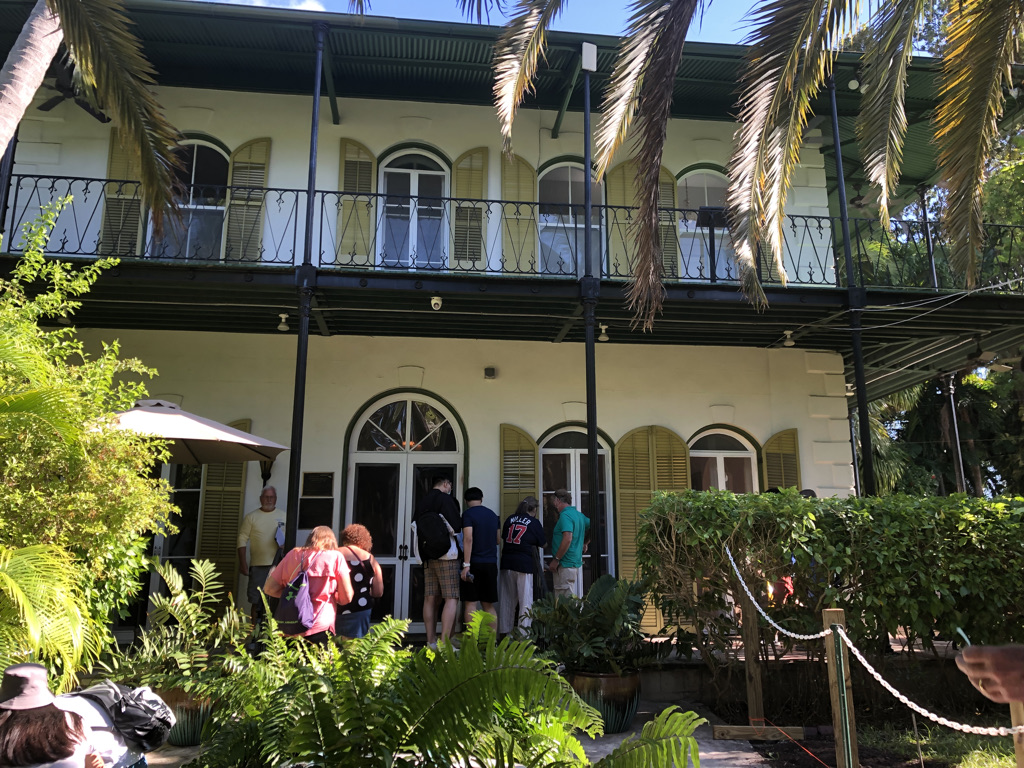
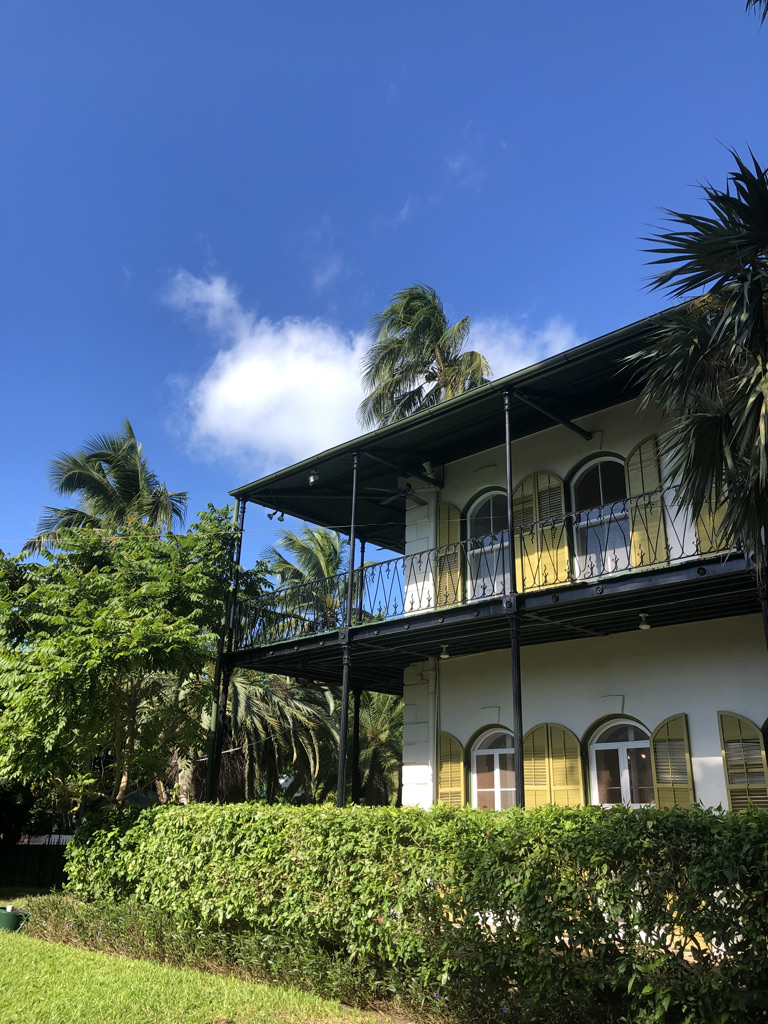
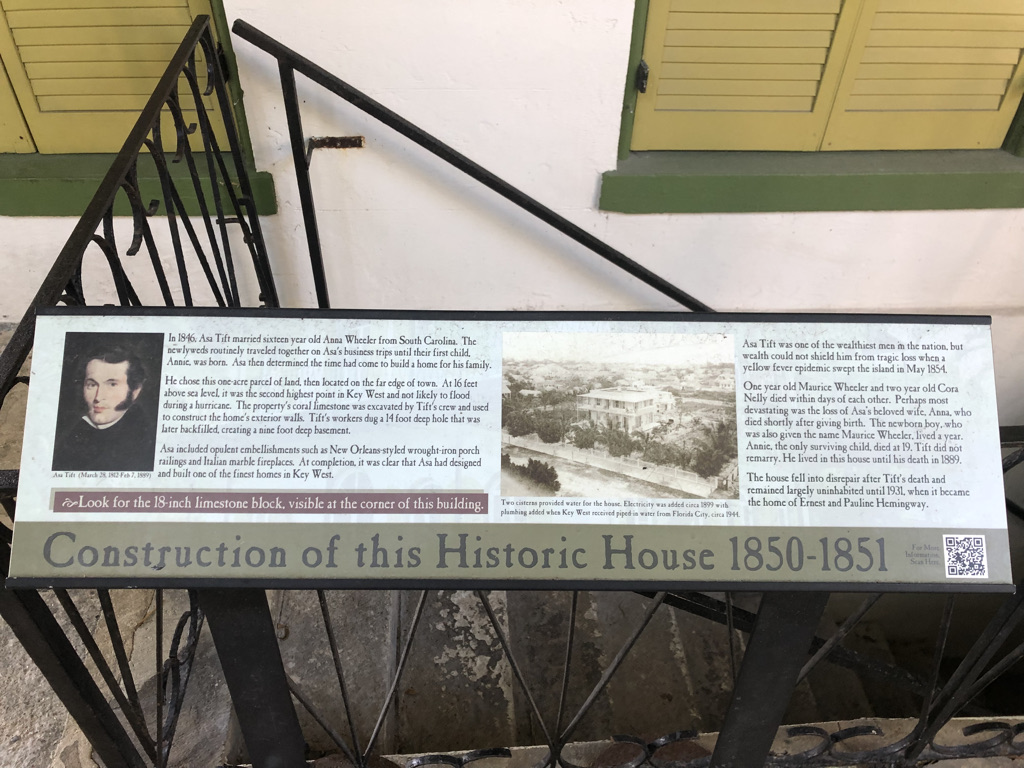
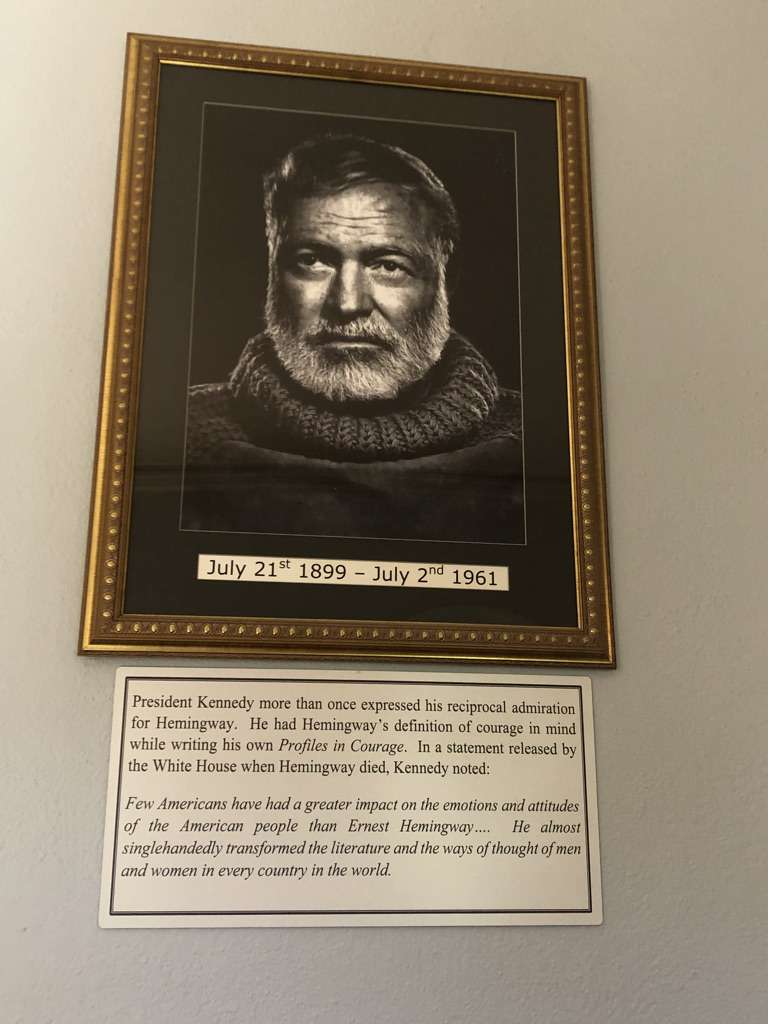
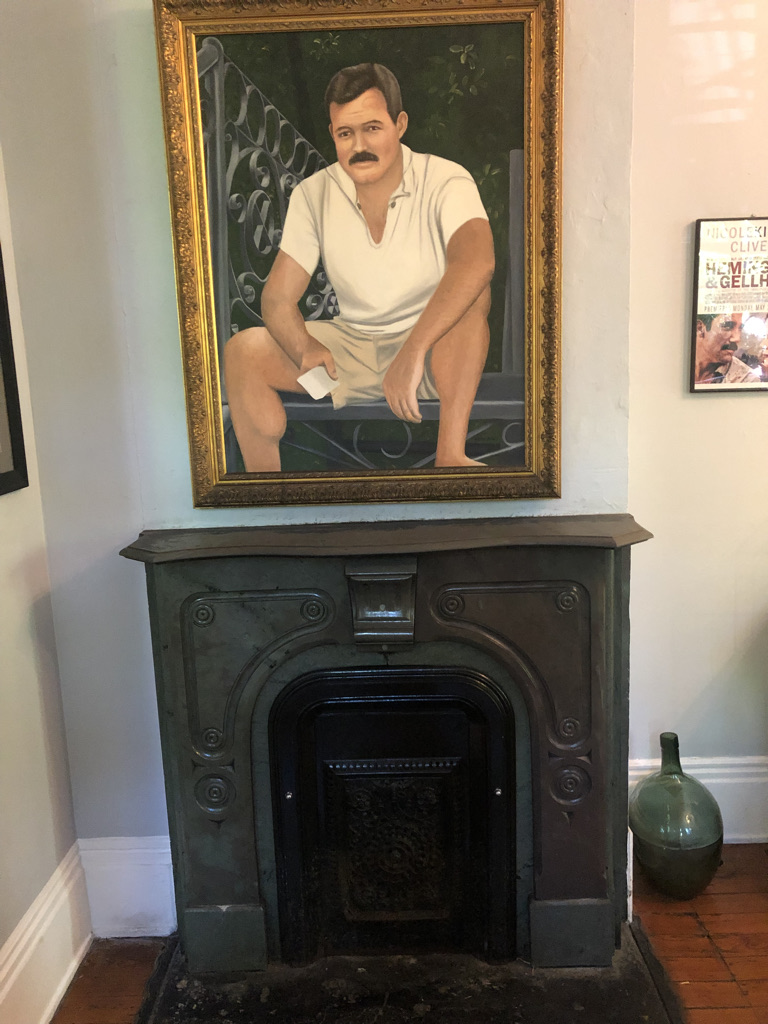
HEMINGWAY AND KEY WEST are as inextricably entwined as peanut butter and jelly. Early Native groups, then Ponce de Leon in the 16th century, had a foothold in Key West; but it was Ernest Hemingway who put this island location on the map in the early 20th century. This Spanish Colonial-style home to Pauline and Ernest in the 1930s still stands today forever joining Key West and the Nobel Prize/Pulitzer award winning writer, Hemingway. At about 3,000 square feet, this home is the largest draw to the town.

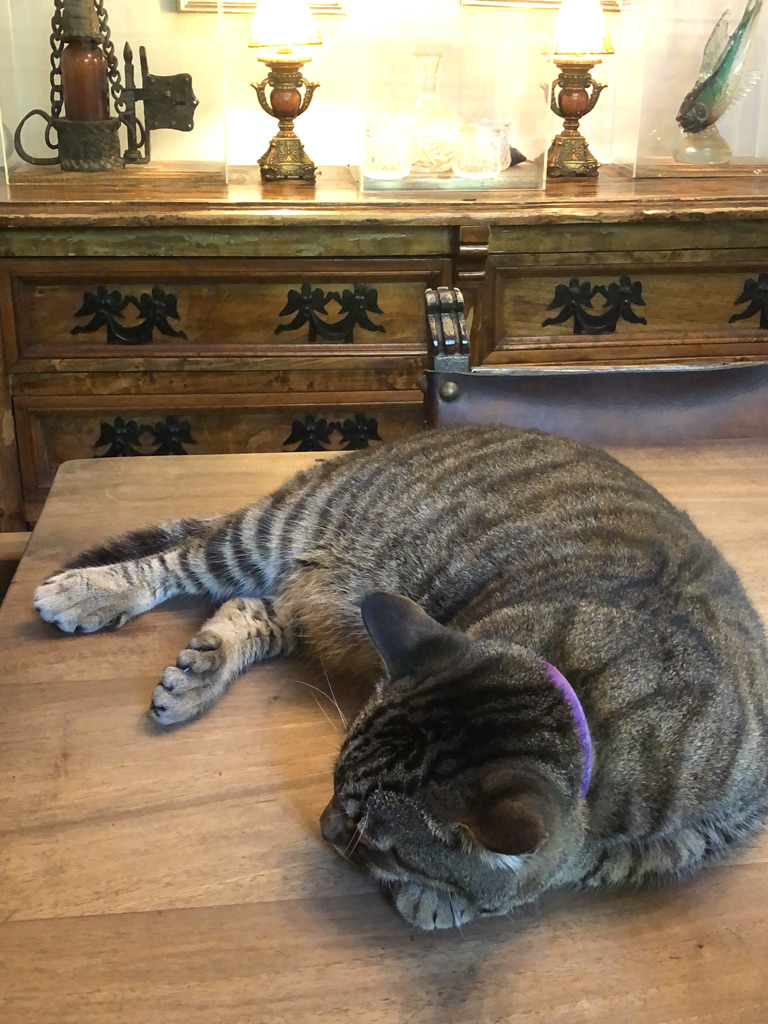
Current day residents, the polydactyl, or six-toed cats, said to be descendants of Hemingway’s son’s, Patrick and Gregory’s, multi-toed cat, Snow White, freely roam the premises and sleep where they choose. They are well cared for and reside in the home and surrounding yard, year round.

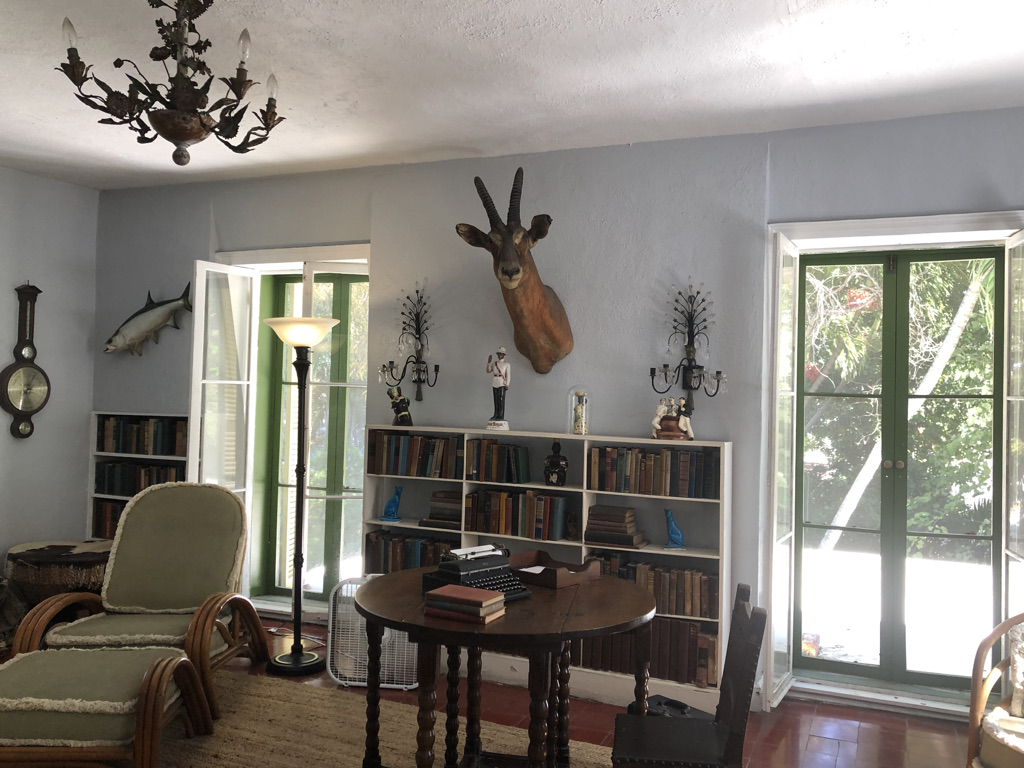
One of my most touching moments was viewing the studio where he completed a couple of his novels. It felt as if he had simply stepped away and would be back at any time where I swear I could hear the clack, clack, clack of the manual typewriter popular in the day, sitting on his desk.

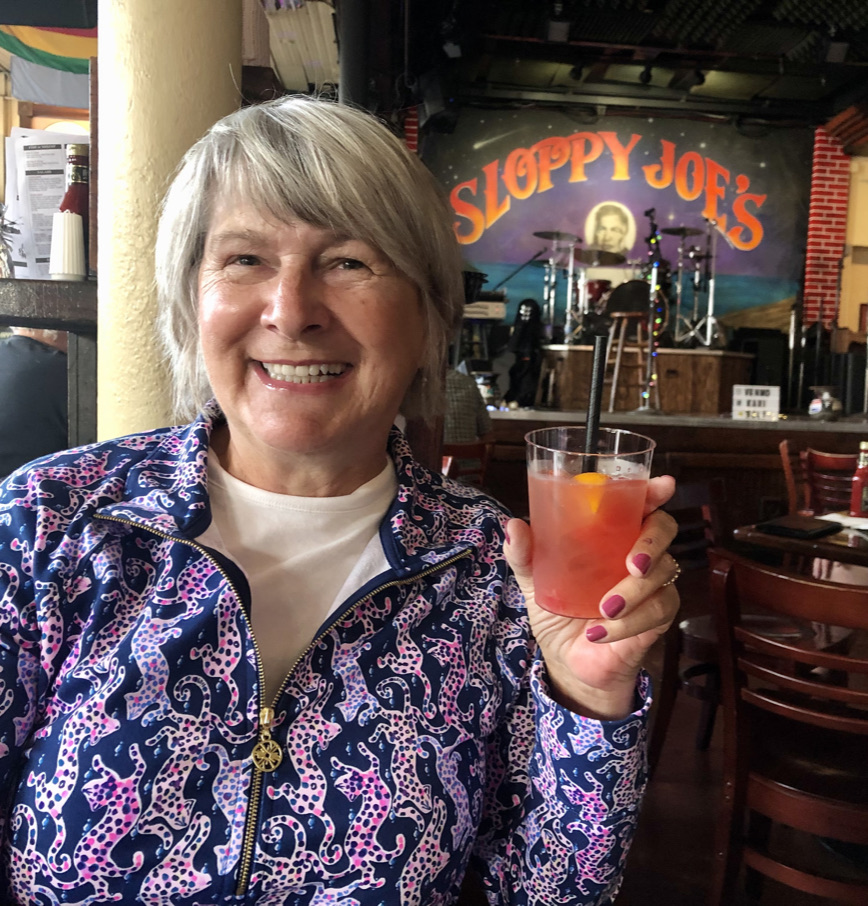
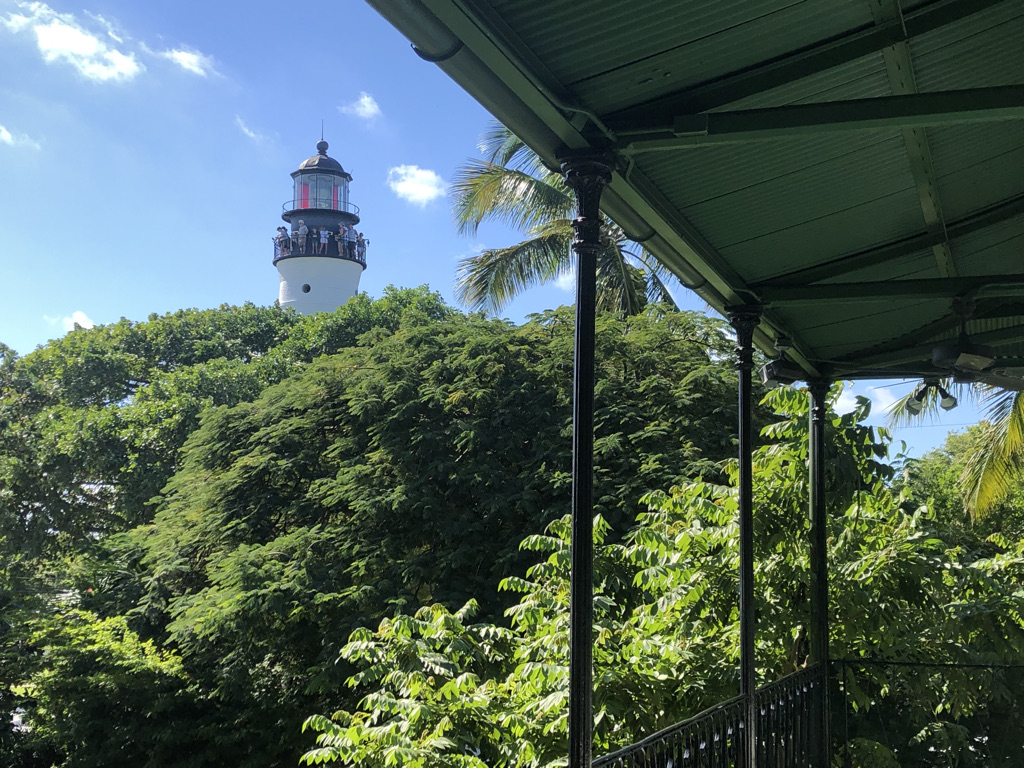
When built in the mid-19th century, this home was away from town. Now, it is surrounded by shops and restaurants. After too much drinking at Sloppy Joe’s, Hemingway would use the local light house across the street from his home to find his way home. A couple of ironies not missed is today the home is a popular wedding venue; and following the tour, I imbibed at the Hemingway Rum Company.

Esteemed writer, war journalist, troubled soul, larger-than-life man, competitive, world traveler, alcoholic, lover of life, husband (four times) and father to three. There wasn’t much he missed in life, but longevity.