CHARLESTON, SOUTH CAROLINA, like Savannah, abounds with history and centuries-old architecture. The peninsula city of Charles Town was founded in 1670 in honor of England’s King Charles II. At the end of the Revolutionary War in 1783, the name was changed to Charleston and because of its diversity with over 400 churches, it is also known as the Holy City. In addition, due to its location near the Atlantic Ocean, it is often referred to as the ‘low country’.
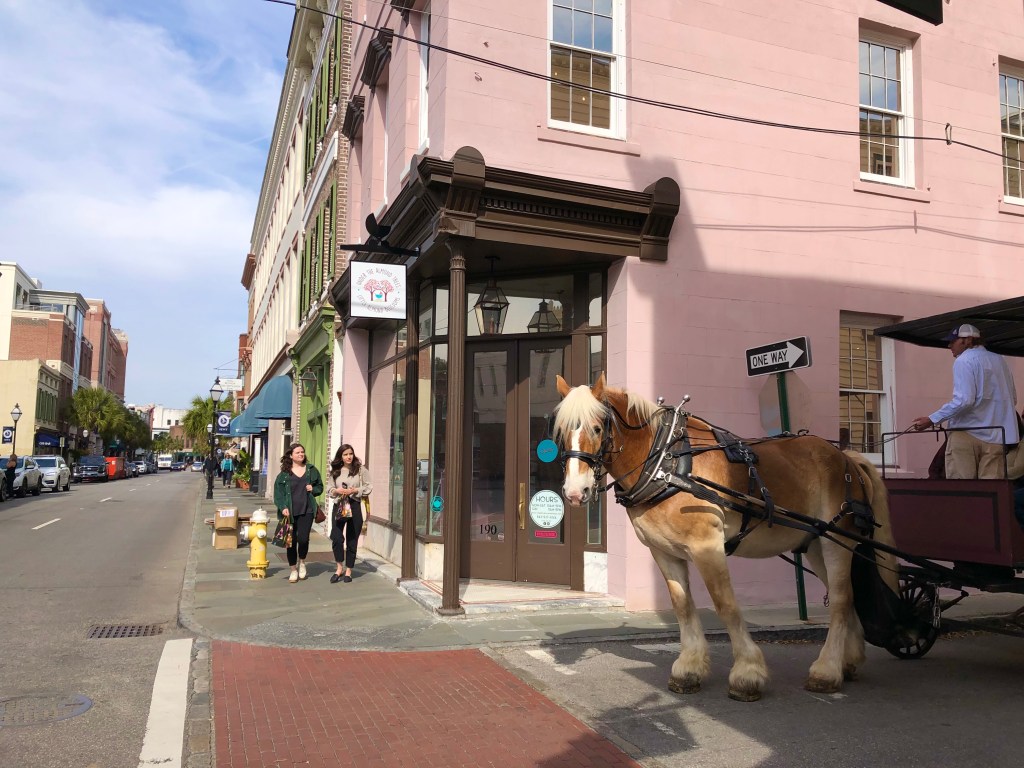
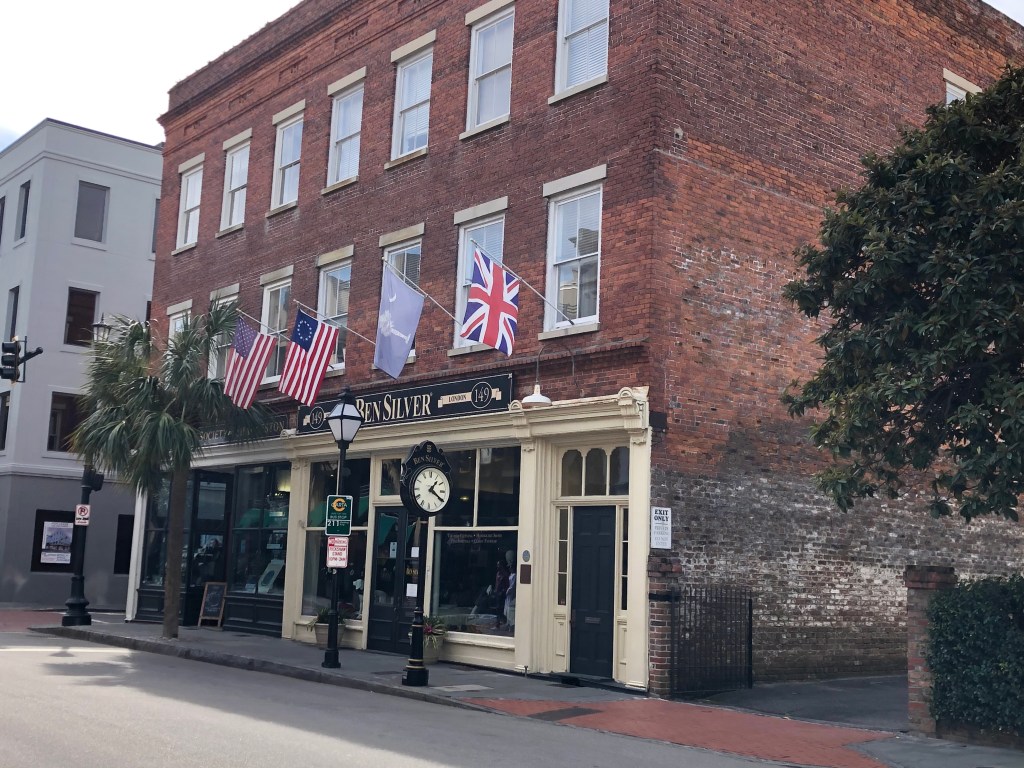
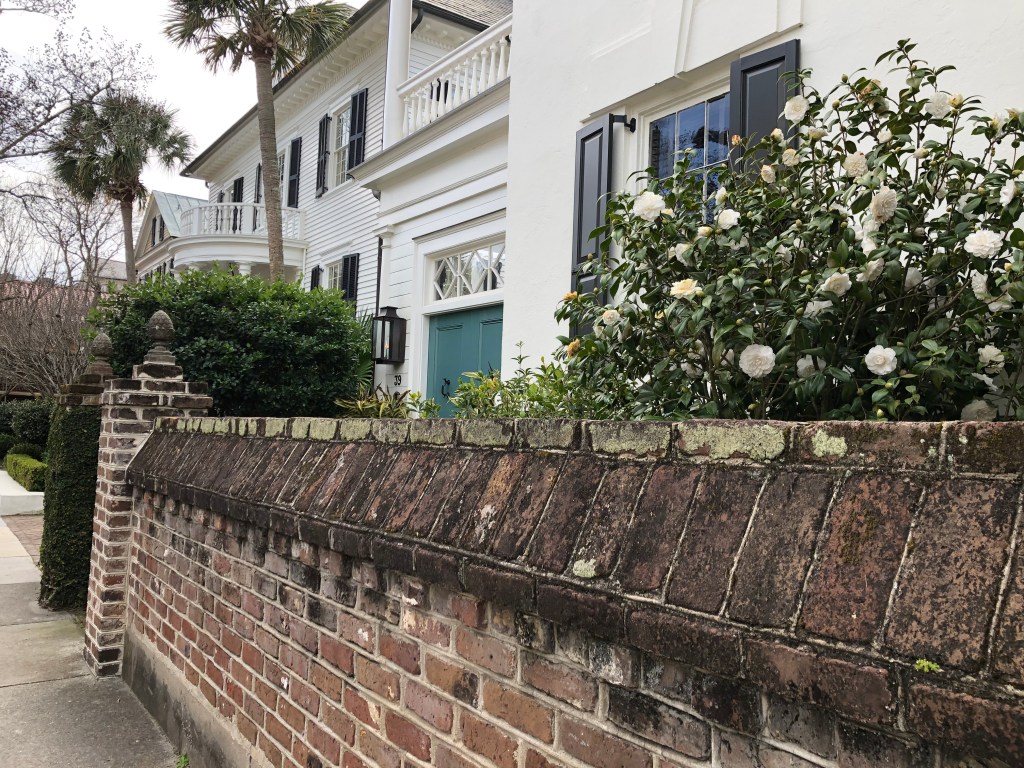
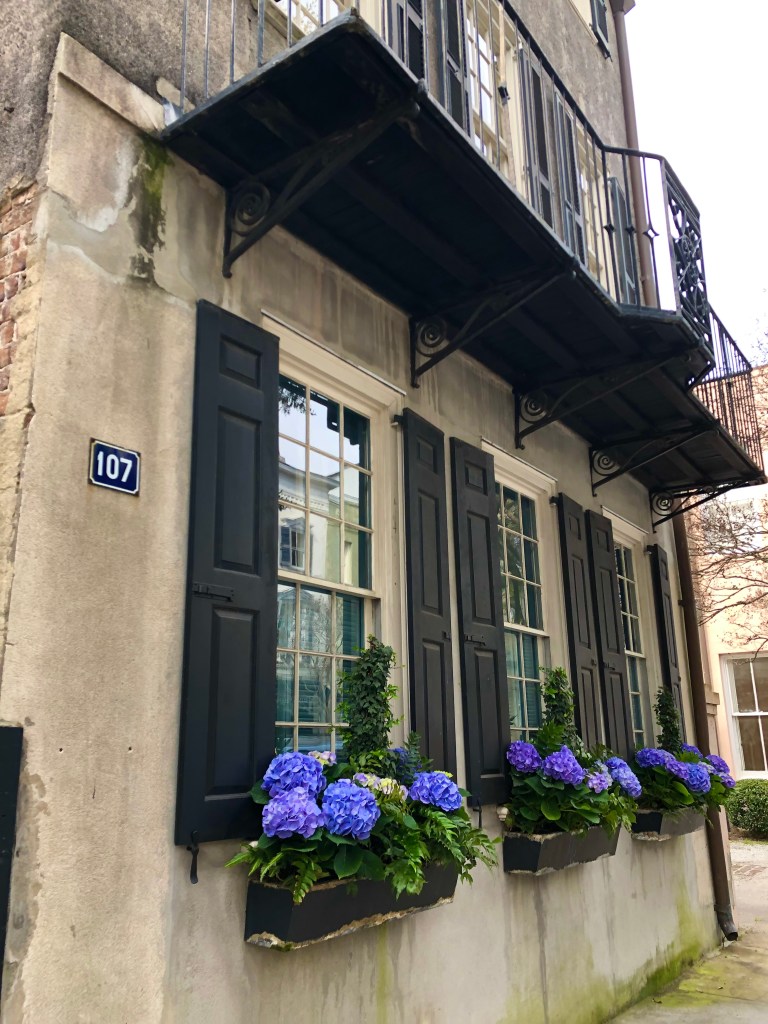
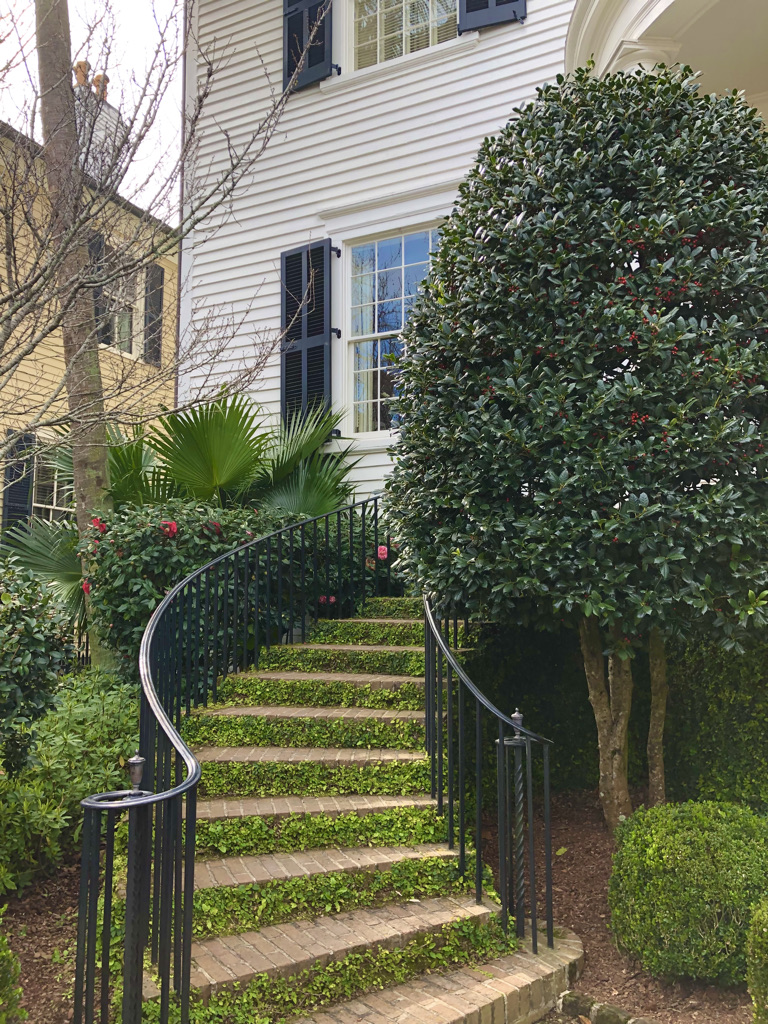
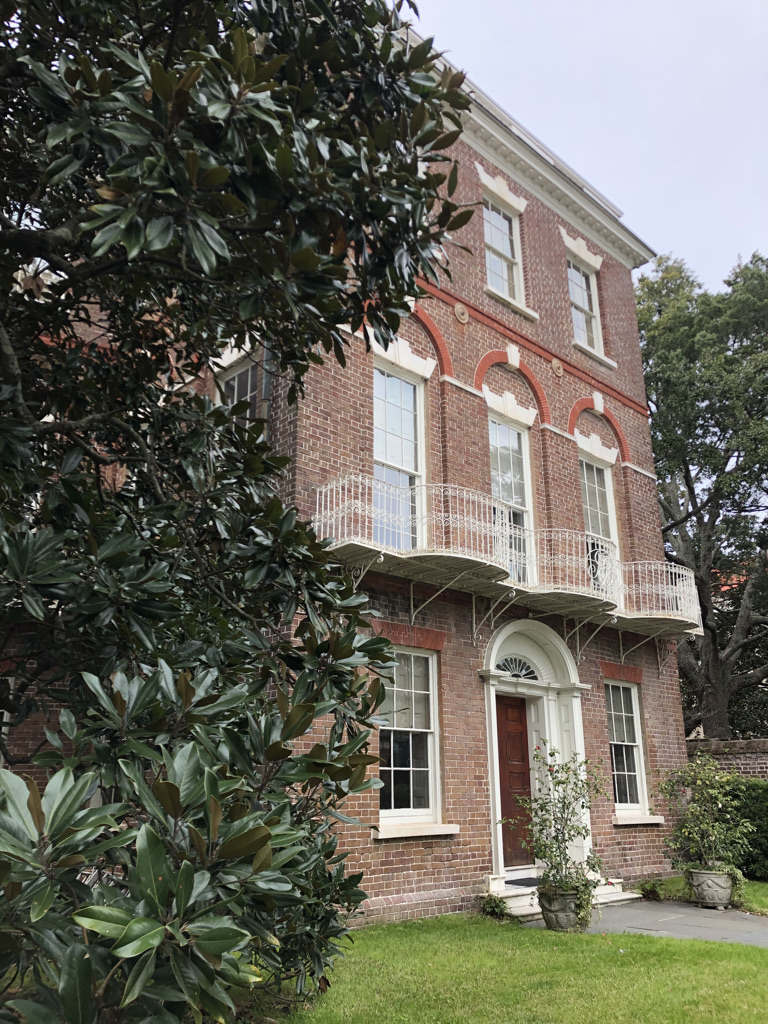
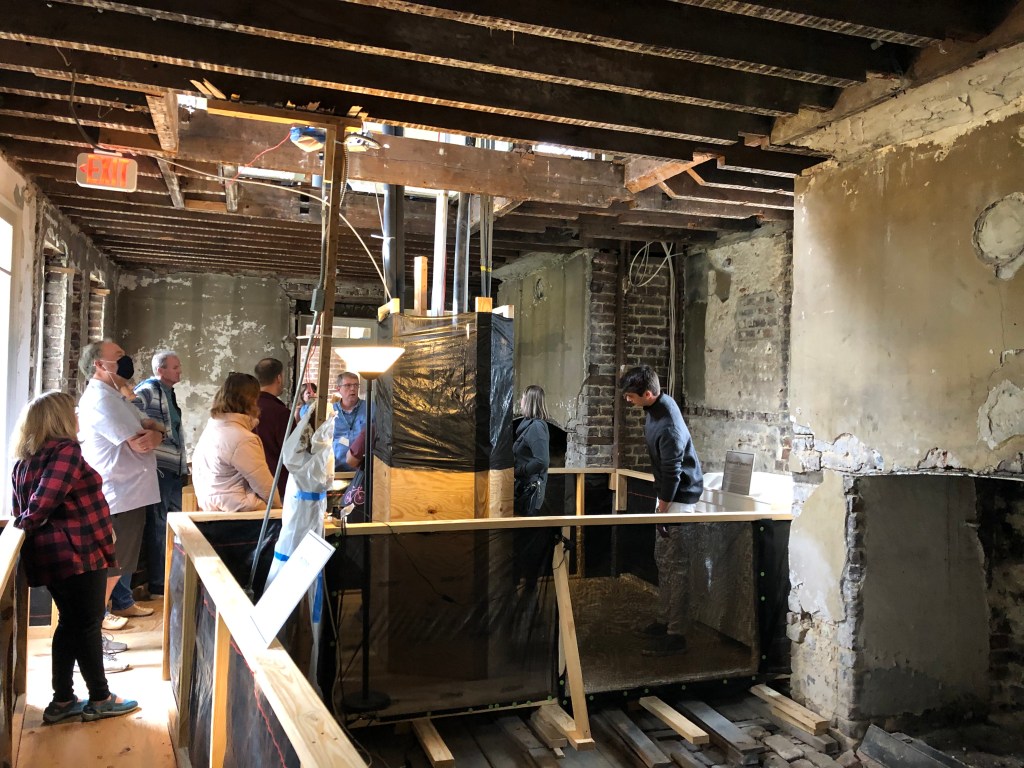
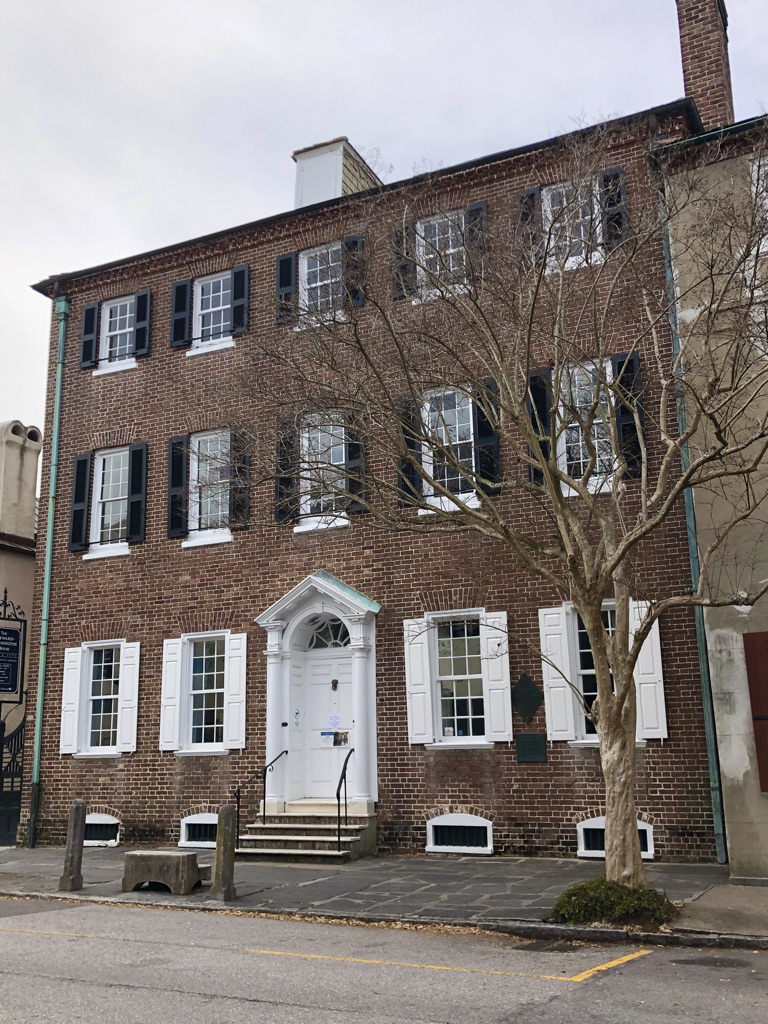
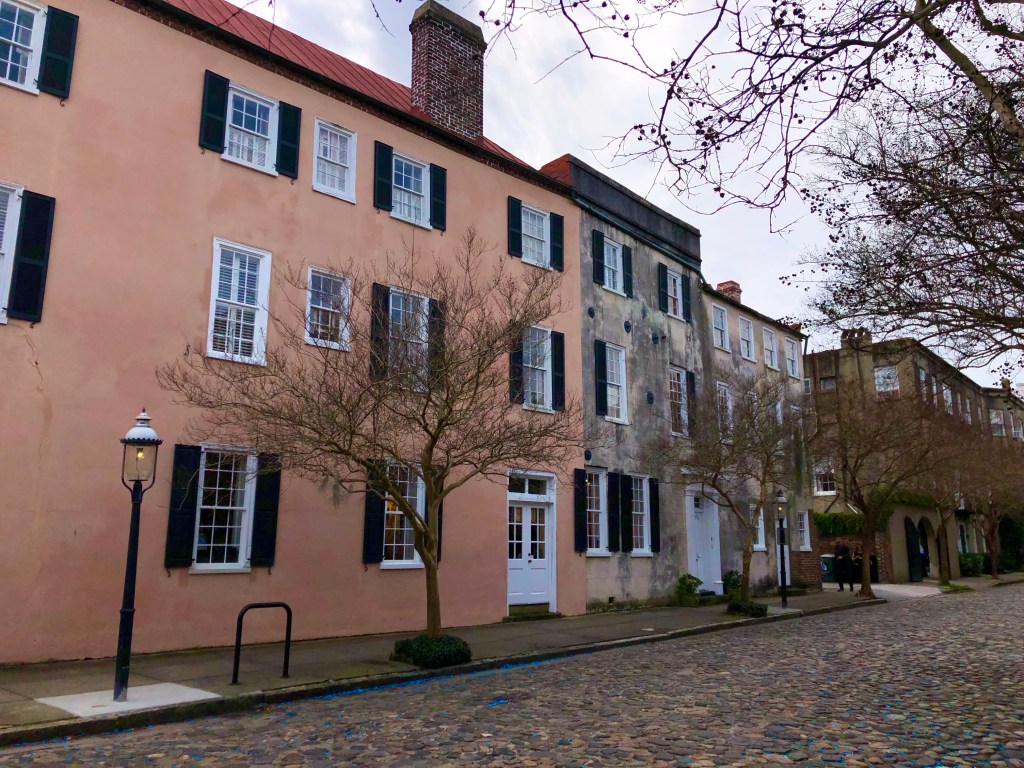
South Carolina was the first colony to secede from the Union in 1860 and as history revealed, the city of Charleston took an enormous hit from the Civil War. In 1866, an estimated 7.3 quake also took its toll on this town. For a couple of days I meandered on foot through this southern town admiring the 18th-century architecture and couldn’t help but wonder about the history of these homes along with the maintenance and upkeep. Beautiful, but oh-so-demanding, I’m certain. If only the walls could talk.



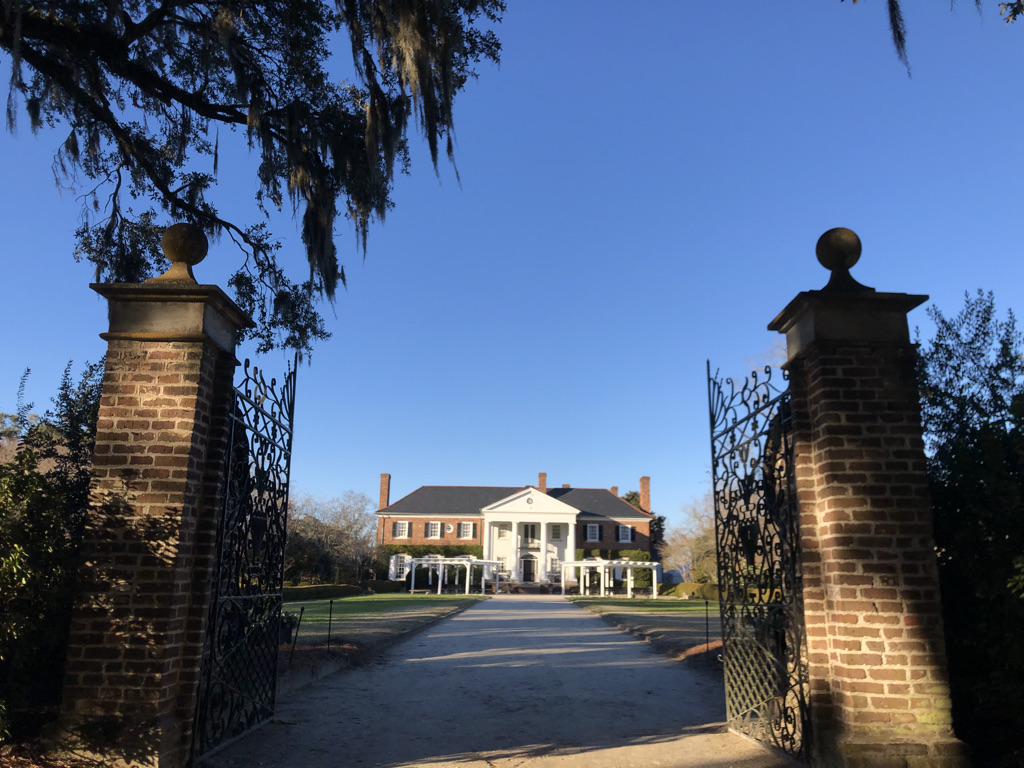
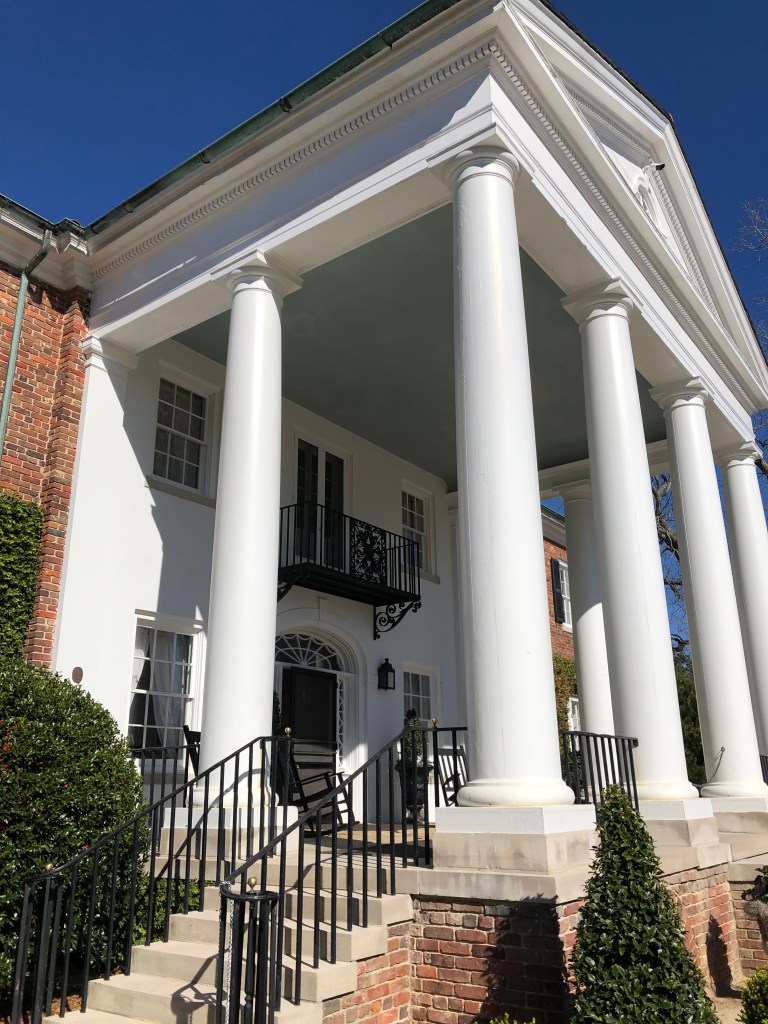
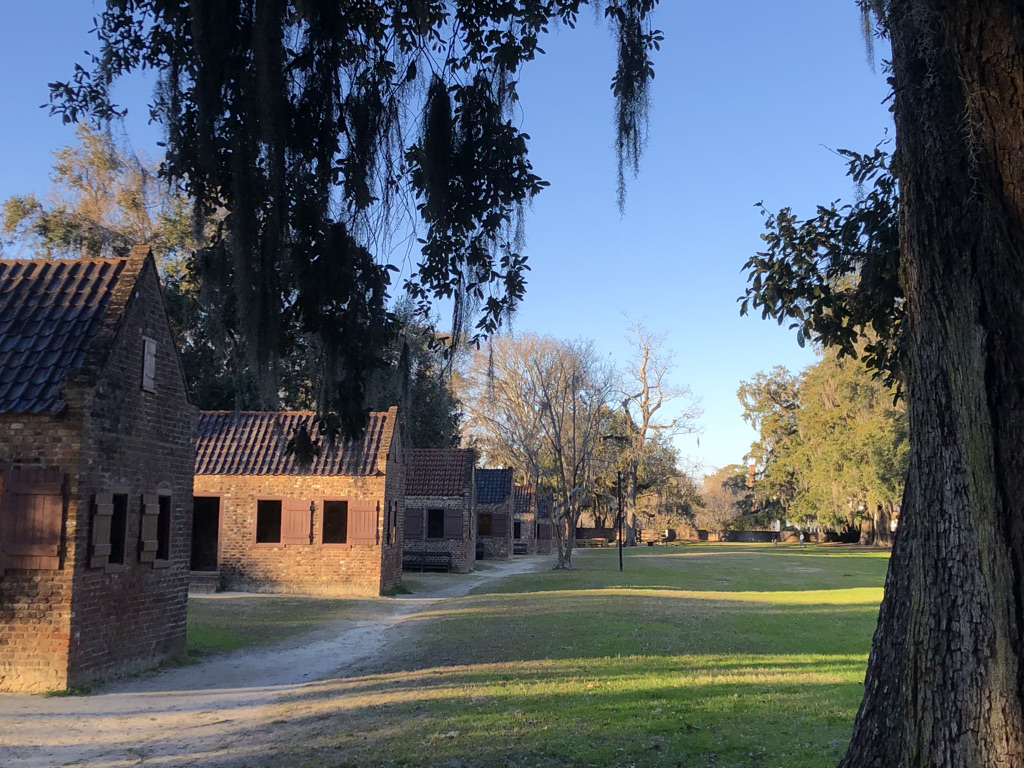
A drive to Boone Hall Plantation was on my list and did not disappoint. While most of the main home, a private residence, cannot be toured, the price of admission was gleefully handed over to simply drive s-l-o-w-l-y down the Avenue of Oaks, almost 300 years in the making. For me, time spent at Boone Hall was enriched because of one woman, an engaging Gullah woman. The Gullah people are African Americans who reside in the low-country of South Carolina and Georgia (Charleston and Savannah) and have carried on their traditions over generations. Their language is a mix of Creole and English and for about an hour we listened to this woman’s story and song, from her point of view, being a descendant of enslaved people at Boone Hall Plantation.

 Camp Dawg